
Eco-Smart Switch: Ductless Heat Pumps That Slash Your Carbon Footprint
With climate concerns and rising energy costs shaping home improvement decisions, many property owners are looking for cleaner ways to heat and cool their spaces. Ductless heat pumps offer an efficient alternative to traditional HVAC systems by moving heat instead of creating it through combustion. This approach can reduce energy waste, improve indoor comfort, and help lower a home’s carbon footprint. As homeowners continue searching for practical ways to improve energy efficiency, heating and cooling systems have become a major focus. Older HVAC equipment can consume large amounts of energy while struggling to maintain consistent indoor temperatures. Modern systems designed for efficiency and flexibility can help reduce unnecessary energy use while improving comfort throughout the home. Ductless heat pumps have become an increasingly popular solution because they combine heating and cooling into one compact system while supporting long-term sustainability goals.
Energy-Efficient Heating and Cooling
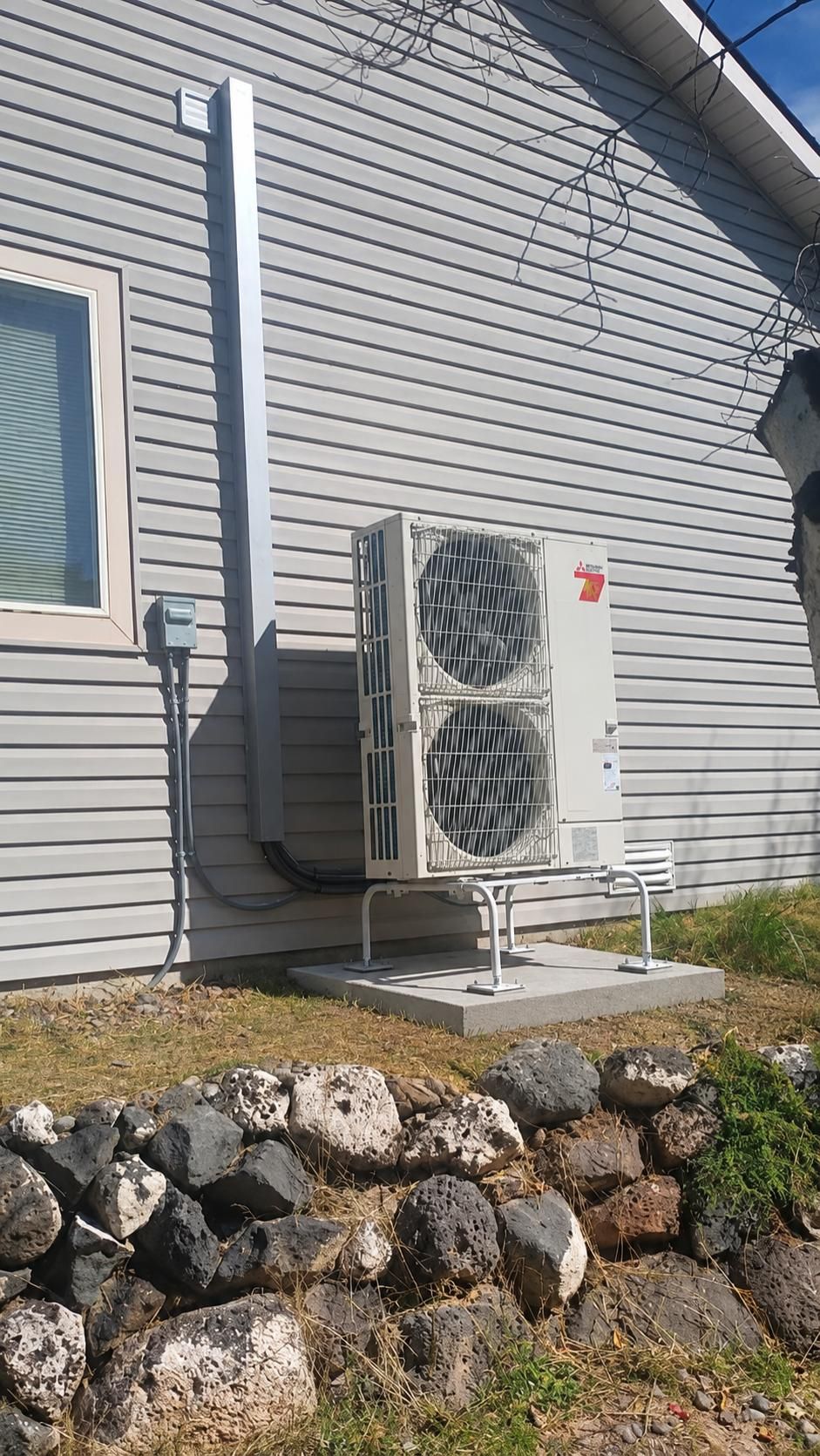
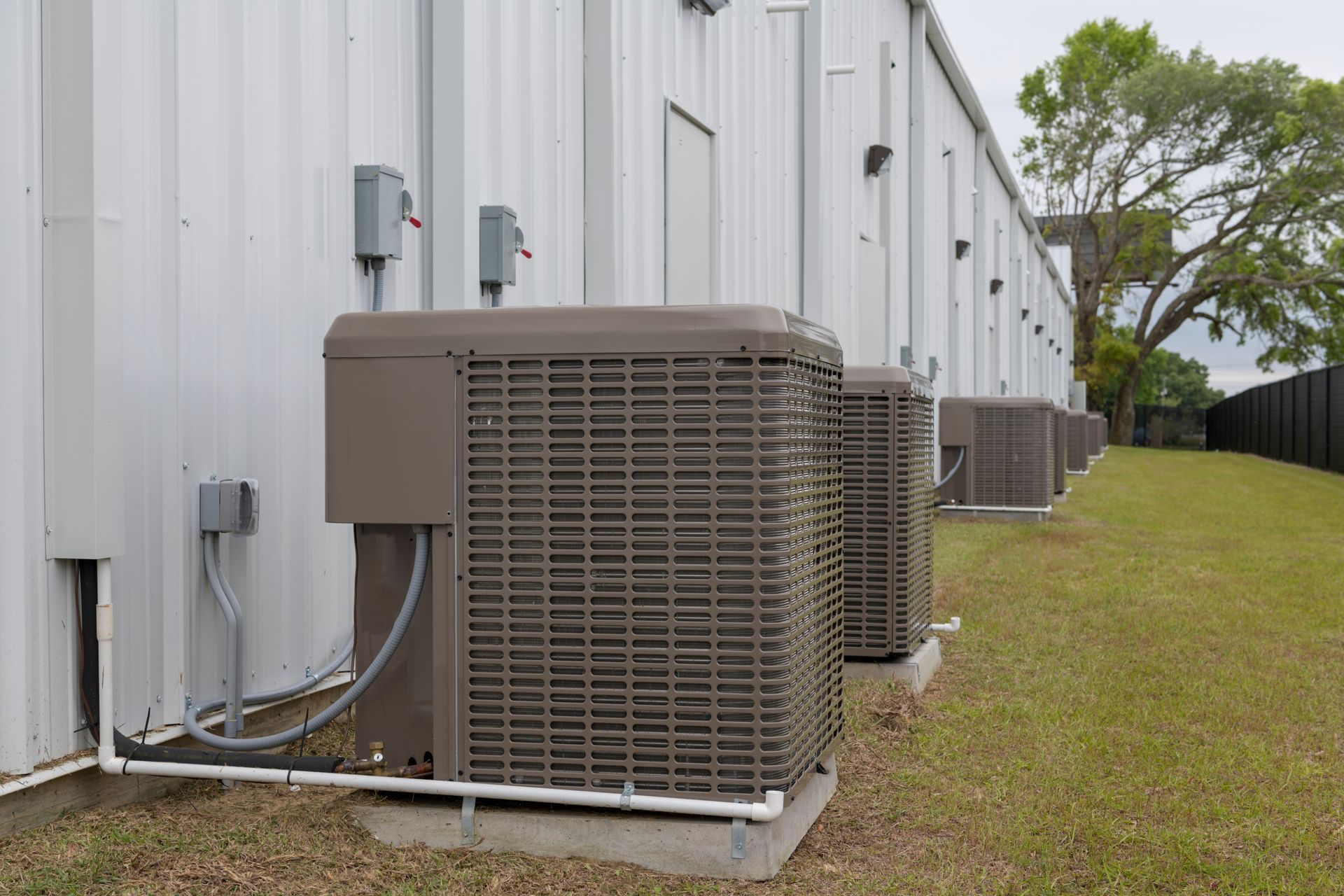
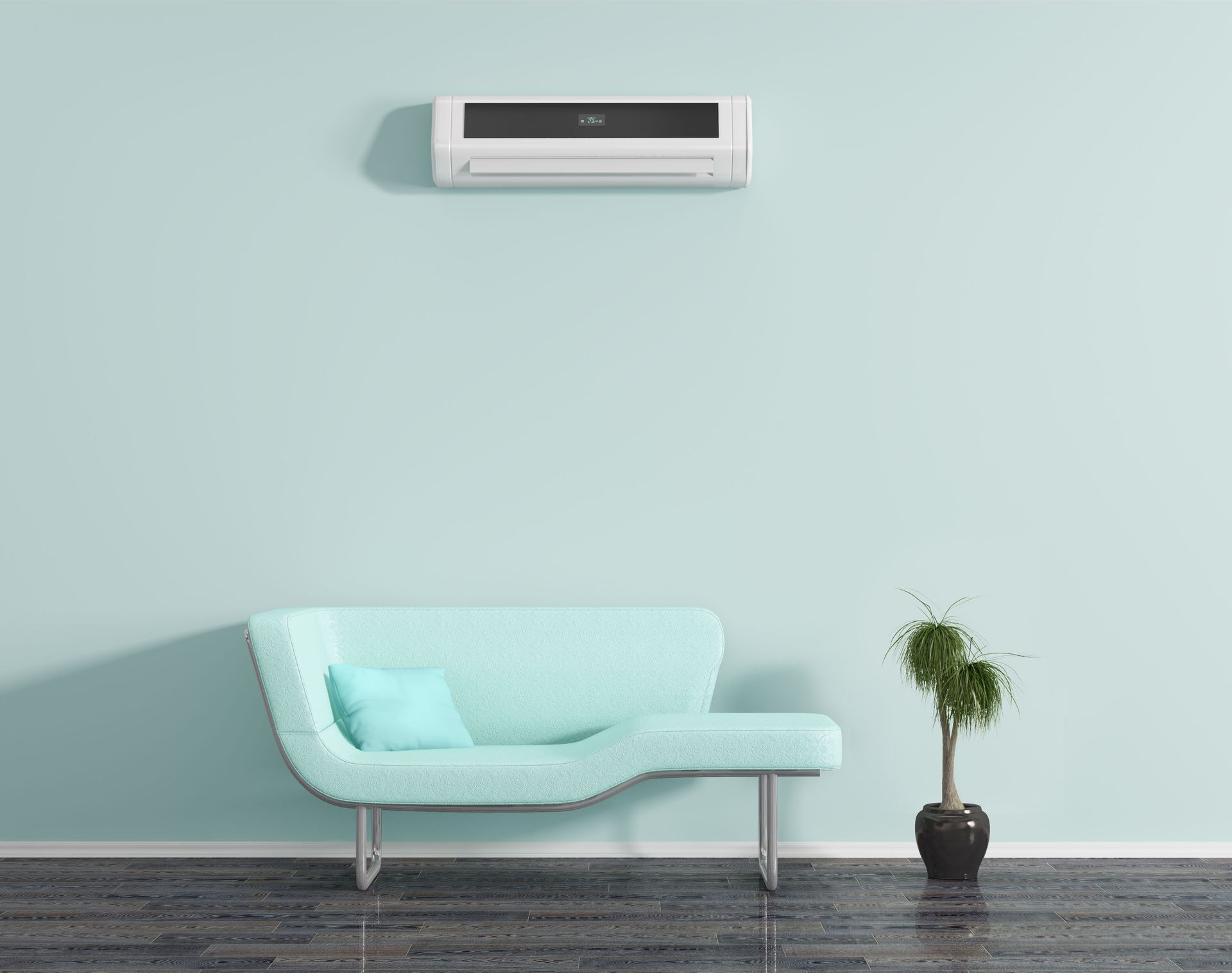
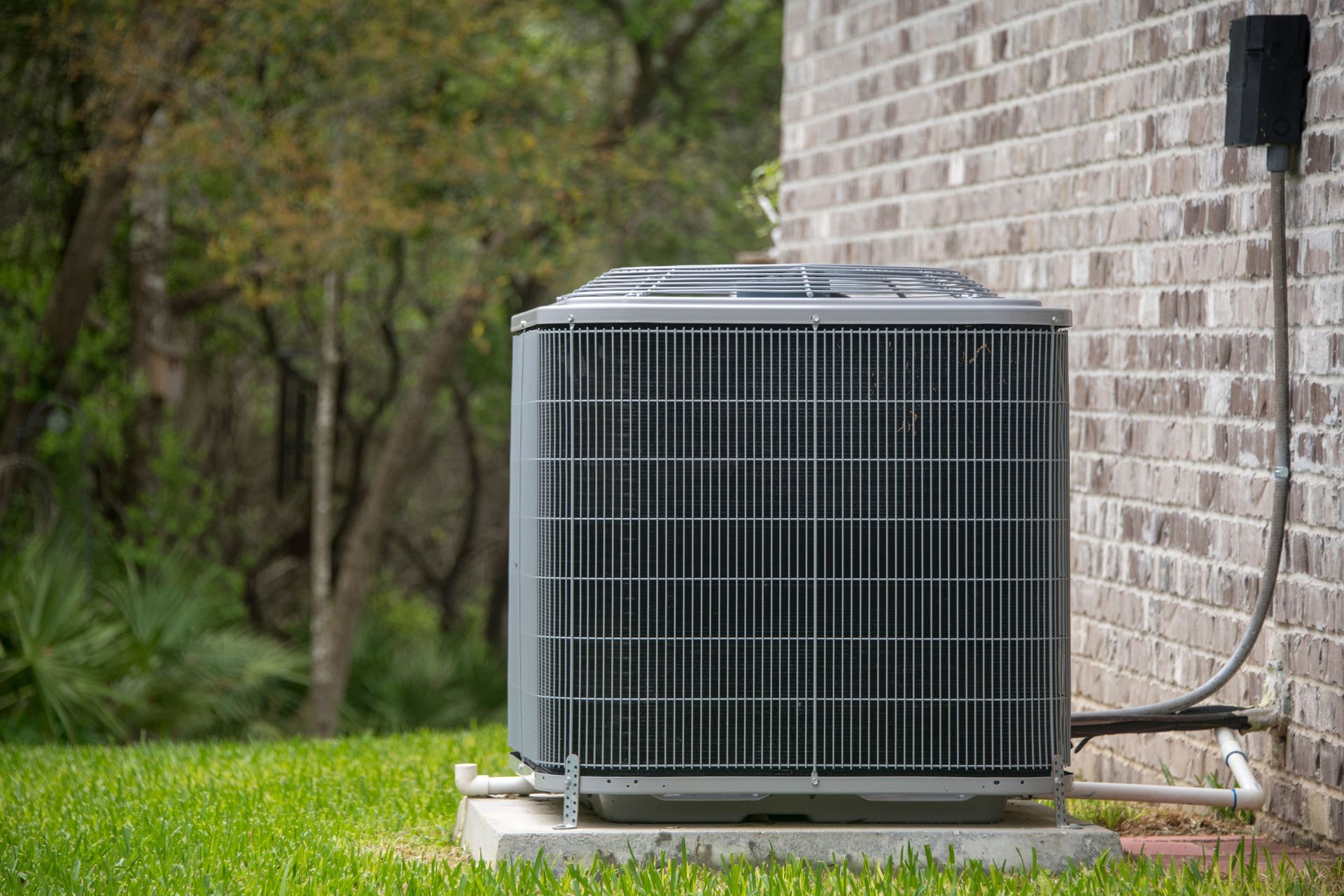
Ductless heat pumps provide both heating and cooling through a compact system that does not require traditional ductwork. Instead of pushing conditioned air through long duct runs, these systems use indoor air-handling units connected to an outdoor compressor. This design helps reduce energy loss and gives homeowners more control over comfort in specific rooms.
Because the system transfers heat rather than burning fuel, it can operate with impressive efficiency throughout much of the year. In heating mode, it pulls heat from outdoor air and moves it indoors. In cooling mode, it removes indoor heat and sends it outside. This process supports year-round comfort while using less energy than many older heating and cooling systems. According to the Air-Conditioning, Heating, and Refrigeration Institute, US heat pump shipments in 2024 outsold gas furnaces by 32%—the largest margin ever—reflecting homeowner demand for efficient alternatives amid rising energy costs. This trend highlights the growing interest in energy-saving HVAC technology that can support both comfort and long-term utility savings.
Carbon Footprint Reduction
One of the strongest environmental benefits of ductless heat pumps is their ability to reduce direct carbon emissions. Traditional furnaces often rely on gas, oil, or propane combustion, which releases emissions during operation. A ductless system avoids on-site fuel burning and can become even cleaner when powered by renewable electricity.
Homeowners who want to make eco-smart upgrades often start with heating and cooling because these systems can account for a large portion of household energy use. Replacing outdated equipment with efficient technology can support lower monthly energy consumption while also helping reduce environmental impact over time.
Zoned Comfort Benefits
Ductless heat pumps are especially useful because they allow for zoned temperature control. Each indoor unit can serve a specific area, giving homeowners the ability to heat or cool only the rooms they are using. This prevents wasted energy in guest rooms, additions, workshops, finished basements, or other spaces that do not need constant conditioning.
Zoning also improves comfort for families with different temperature preferences. One person can keep a bedroom cooler while another keeps a living area warmer. This flexibility reduces the need to overheat or overcool an entire home just to make one room comfortable.
Installation Flexibility
Many older homes were not built with central ductwork, which can make traditional HVAC installation expensive and disruptive. Ductless heat pumps are a practical option because they require only a small opening to connect the indoor and outdoor components. This makes them a strong choice for historic homes, room additions, garages, sunrooms, and converted spaces.
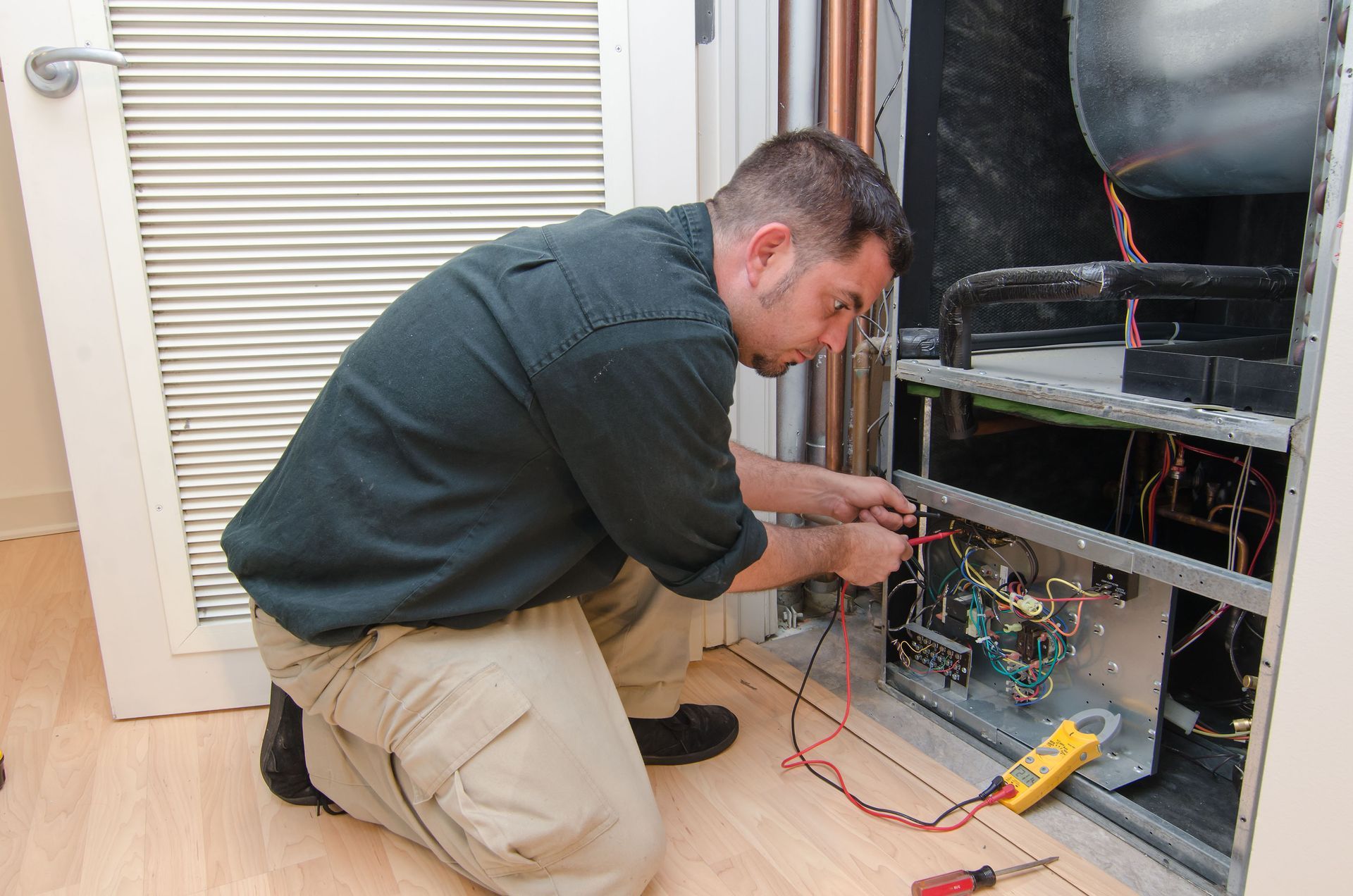
Professional installation is still important. A qualified technician can complete load calculations, place units correctly, check electrical requirements, and make sure the system is sized for the space. Proper planning helps the system operate efficiently and protects long-term performance.
Indoor Air Quality Improvements
Indoor air quality has become an important concern for many homeowners, especially for households affected by allergies, asthma, or dust sensitivity. Traditional ductwork can collect dust, pet dander, pollen, and other airborne particles over time. When the HVAC system runs, some of these contaminants may circulate throughout the home.
Ductless systems help reduce this issue because they operate without large duct networks. Many indoor units also include advanced filtration features designed to capture airborne particles before the conditioned air is distributed into the room. Cleaner airflow can support a healthier and more comfortable indoor environment for occupants.
Cost Savings Potential
Although installation costs vary based on the size of the home and number of indoor units, ductless systems can offer meaningful savings over time. Energy savings often come from reduced waste, improved efficiency, and the ability to condition individual zones. Homes that currently rely on electric resistance heating may see especially noticeable improvements.
Incentives, rebates, and financing programs may also help reduce upfront costs. Many utility providers and government programs support energy-efficient upgrades, making the switch more accessible for homeowners. Comparing available incentives before installation can help property owners better understand the full value of the investment.
Maintenance and System Longevity
Ductless heat pumps require routine care to maintain efficiency. Homeowners should clean or replace filters as recommended, keep indoor units free from dust, and make sure outdoor equipment remains clear of leaves, snow, and debris. These simple steps help preserve airflow and prevent unnecessary strain on the system.
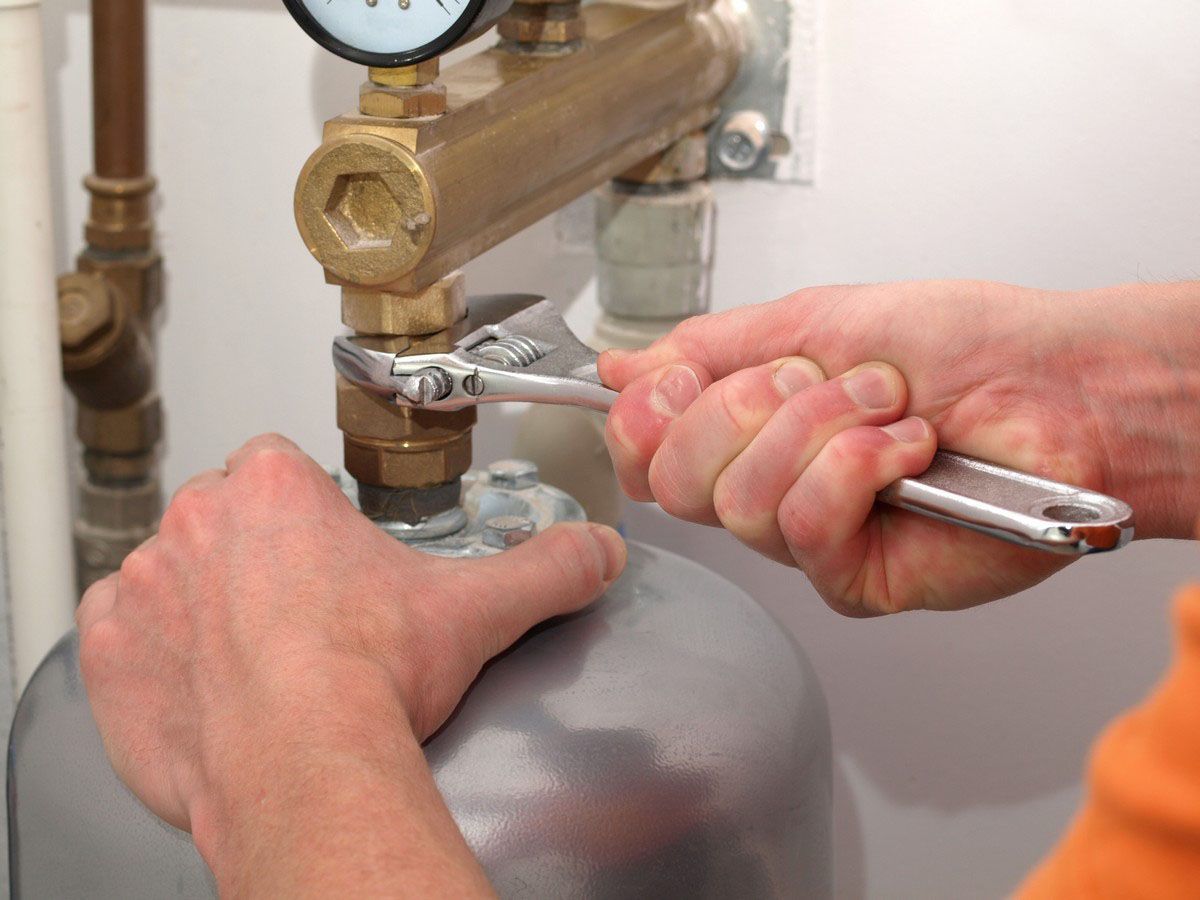
Annual professional maintenance is also recommended. A technician can inspect refrigerant levels, clean coils, check electrical components, and confirm that the system is operating safely. Preventive service can extend equipment life and help identify small issues before they become expensive repairs.
Well-maintained systems often provide reliable performance for many years. Consistent maintenance helps preserve energy efficiency and reduces wear on important components such as compressors and fans. Investing in regular service can help homeowners protect both comfort and long-term equipment value.
Smart Technology Advantages
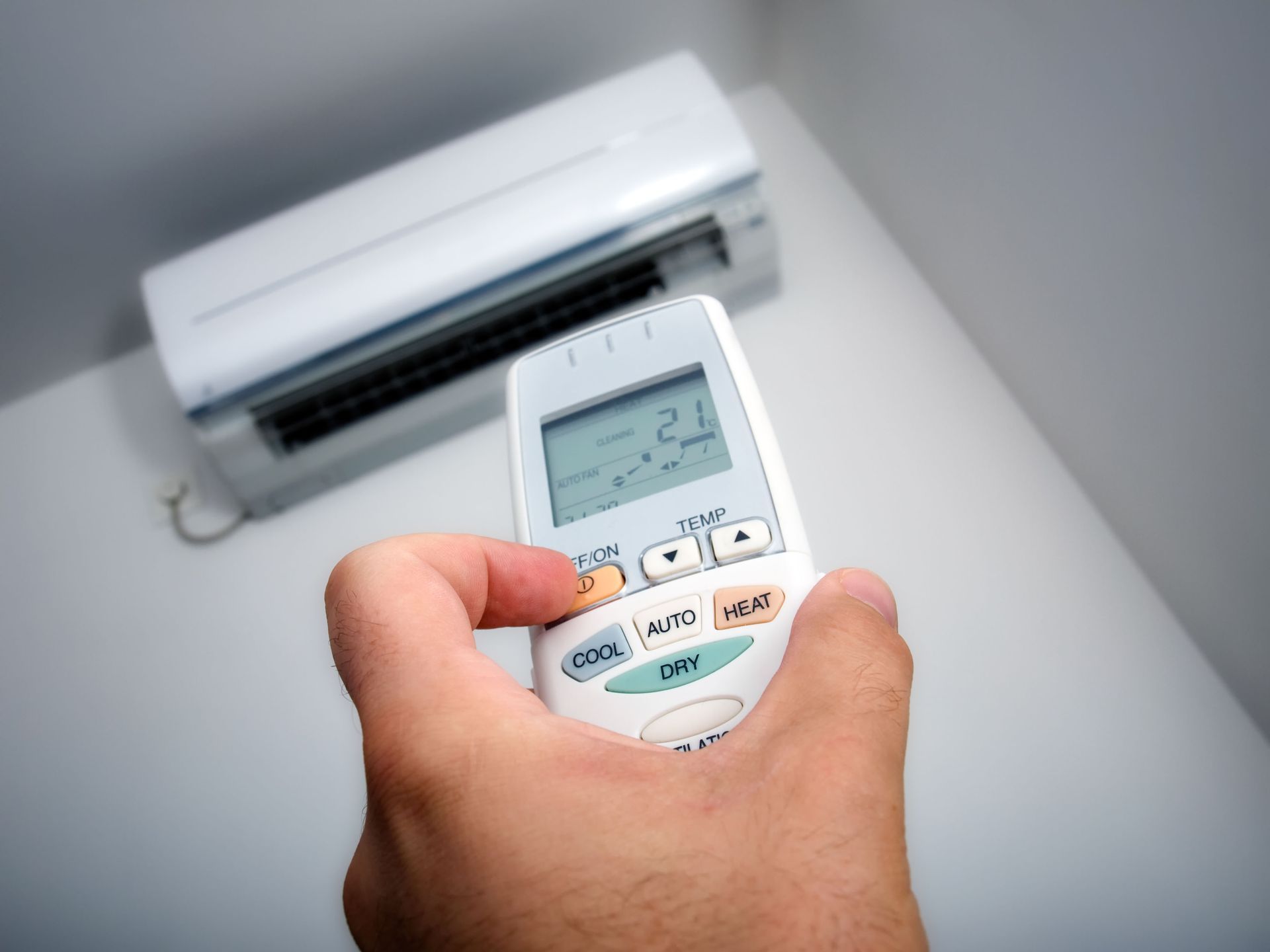
Modern systems often include inverter-driven compressors, smart thermostats, remote controls, and mobile app compatibility. These features allow homeowners to adjust temperatures more precisely and avoid energy waste. Some systems can also connect with smart home platforms, making comfort control easier and more convenient.
Advanced technology also supports quieter operation. Because inverter systems adjust output based on demand, they do not need to constantly turn on and off at full power. This can create steadier temperatures, lower energy use, and a more peaceful indoor environment.
Smart scheduling features can further improve efficiency by automatically adjusting temperatures based on occupancy or time of day. Homeowners can reduce conditioning in unused areas while maintaining comfort where it is needed most. These tools help improve convenience while supporting lower utility costs.
Long-Term Sustainability Value
Ductless heat pumps support a broader shift toward cleaner and more efficient homes. As power grids incorporate more renewable energy, electric heating and cooling systems can become even more environmentally beneficial. This makes ductless technology a forward-thinking choice for homeowners who want comfort today and sustainability tomorrow.
These systems also appeal to future buyers who value energy efficiency, lower utility costs, and modern home upgrades. A well-installed system can improve comfort, reduce environmental impact, and add practical value to the property.
As building standards and energy expectations continue evolving, efficient HVAC systems are likely to become even more important in residential real estate. Buyers increasingly recognize the value of homes with modern equipment that can help reduce long-term operating costs. Energy-conscious upgrades may improve overall property appeal while supporting sustainable living goals.
Switching to an energy-efficient heating and cooling system is one of the most practical ways to reduce household energy waste. Heat pumps combine comfort, flexibility, and environmental responsibility in one modern solution. With proper installation, routine maintenance, and smart use, they can help homeowners lower their carbon footprint while enjoying reliable comfort throughout the year. Contact our team at Mountain Air Mechanical, Inc today and learn more about our heat pump services.
Share On: