
11 Simple Heat Pump Service Fixes That Work
In the world of heating, ventilation, and air conditioning (HVAC), heat pumps play a vital role in both residential and commercial settings by efficiently transferring heat to create a comfortable environment. These systems not only provide heating capabilities during colder months but also cooling benefits when temperatures soar. The dual utility accentuates the importance of maintaining and servicing heat pumps effectively. Regular maintenance and timely fixes from a heat pump service can prevent larger, more costly issues.
1. Inspecting and Cleaning Filters
Filters are the first line of defense against dust and debris entering your heat pump system. Regular cleaning of filters optimizes the performance of the system and maintains its energy efficiency. A clogged filter can cause the system to work harder, using more energy to achieve the same heating or cooling output. It's advisable to check filters monthly, especially during peak seasonal use, and clean or replace them as needed. Maintaining clean filters not only ensures optimal operation but also prolongs the lifespan of the unit.
2. Coil Maintenance
The coils in a heat pump are essential for transferring heat, making their maintenance crucial for system efficiency. Dirt and grime can build up on both the evaporator and condenser coils, significantly impairing their functionality. Cleaning the coils includes gently brushing or vacuuming the dirt off to avoid damage. Keeping the coils clean ensures that heat exchange is efficient, reducing energy consumption and operational stress on the system. Regular coil maintenance can reduce repair costs and prevent unexpected breakdowns.
3. Fan Motor Cleaning
The fan motor plays a significant role in air circulation within the heat pump system. Dust and dirt accumulation can hinder its performance, leading to inefficient heating or cooling throughout the space. To clean the fan motor, you must first ensure the unit is powered off to prevent any accidents. Removing any visible dirt and lubricating the motor bearings can enhance operation and reduce noise. Regular maintenance of the fan motor guarantees smoother operation and prevents strain on the system.
4. Checking Ductwork
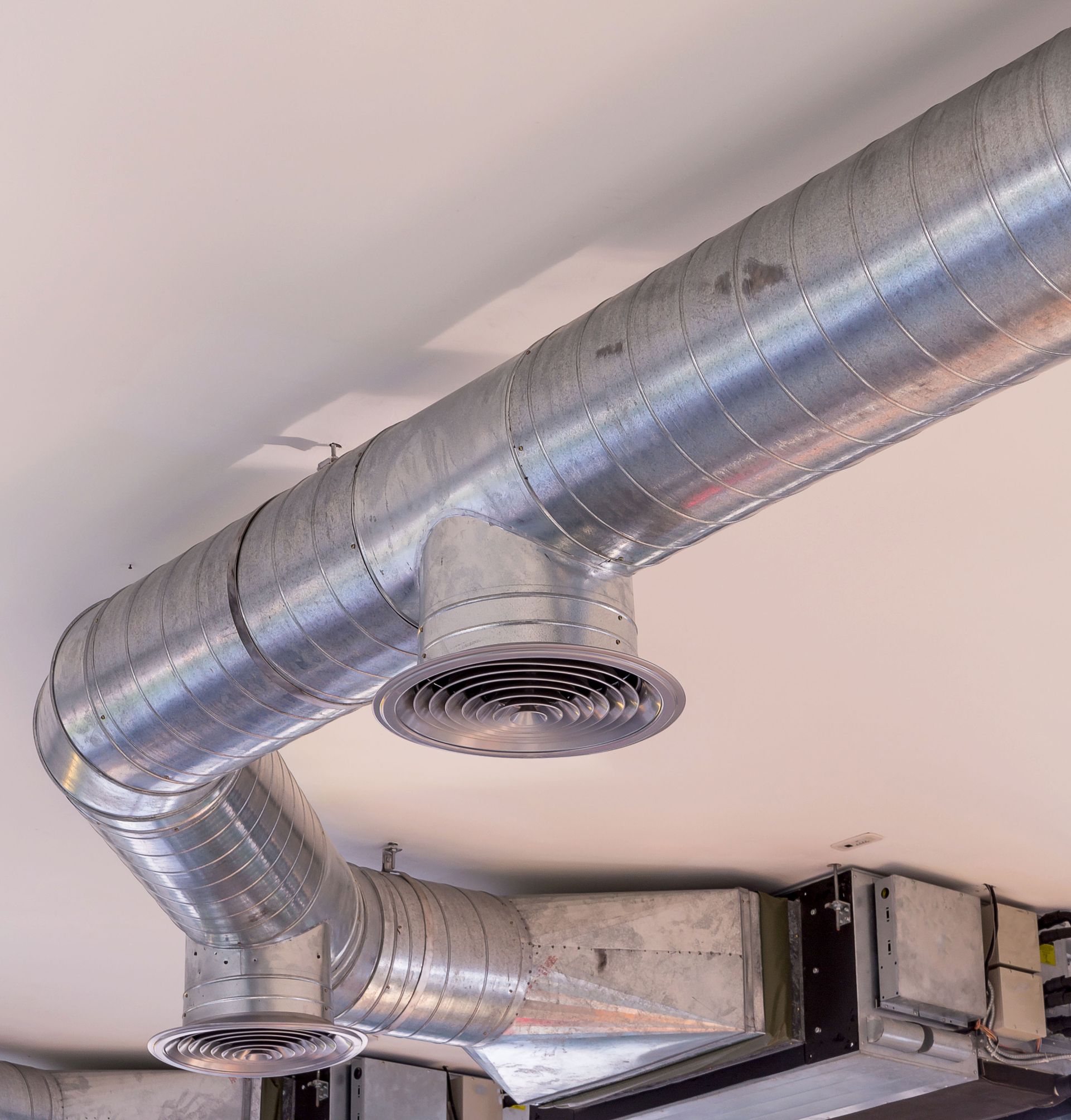
Ductwork is crucial for the efficient distribution of heated or cooled air throughout a building. Ensuring that there are no leaks or obstructions is essential for effective heat distribution. To check for leaks, you can inspect ducts for visible openings or use a smoke pencil to identify airflow issues. Regular inspection by a heat pump service prevents energy wastage and ensures that the heat pump performs at its optimum capacity. Addressing ductwork issues promptly can also enhance indoor air quality.
5. Calibrating Thermostat Settings
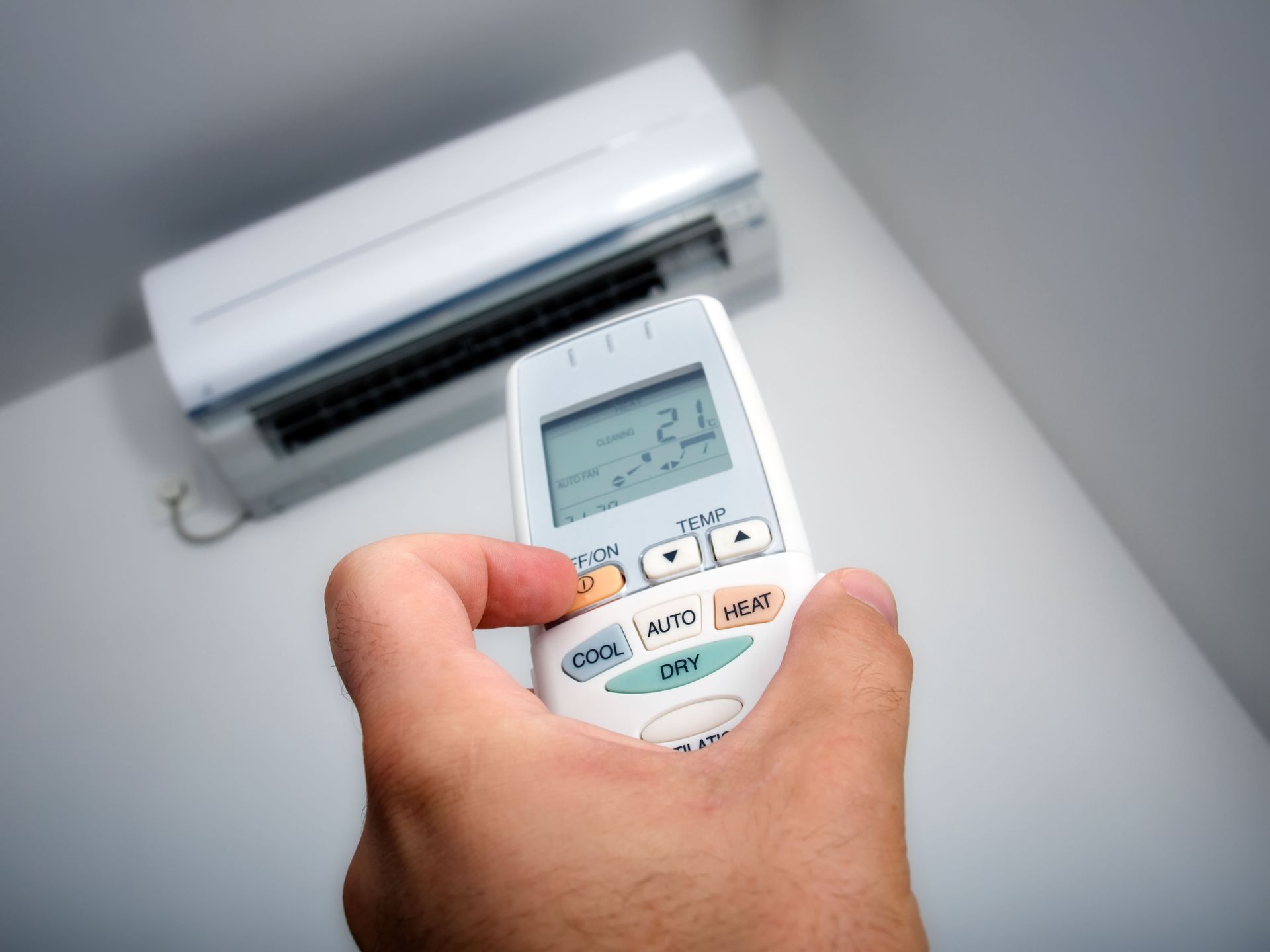
A properly calibrated thermostat can significantly enhance the energy efficiency of a heat pump. Adjusting your thermostat settings for each season ensures optimum performance and comfort. It's beneficial to lower the temperature during winter nights and allow natural heating during the day. In the summer, raising the thermostat slightly can reduce energy usage without compromising comfort. Regularly checking and updating thermostat settings according to your schedule can provide efficient and customized climate control for your home.
6. Troubleshooting Common Issues
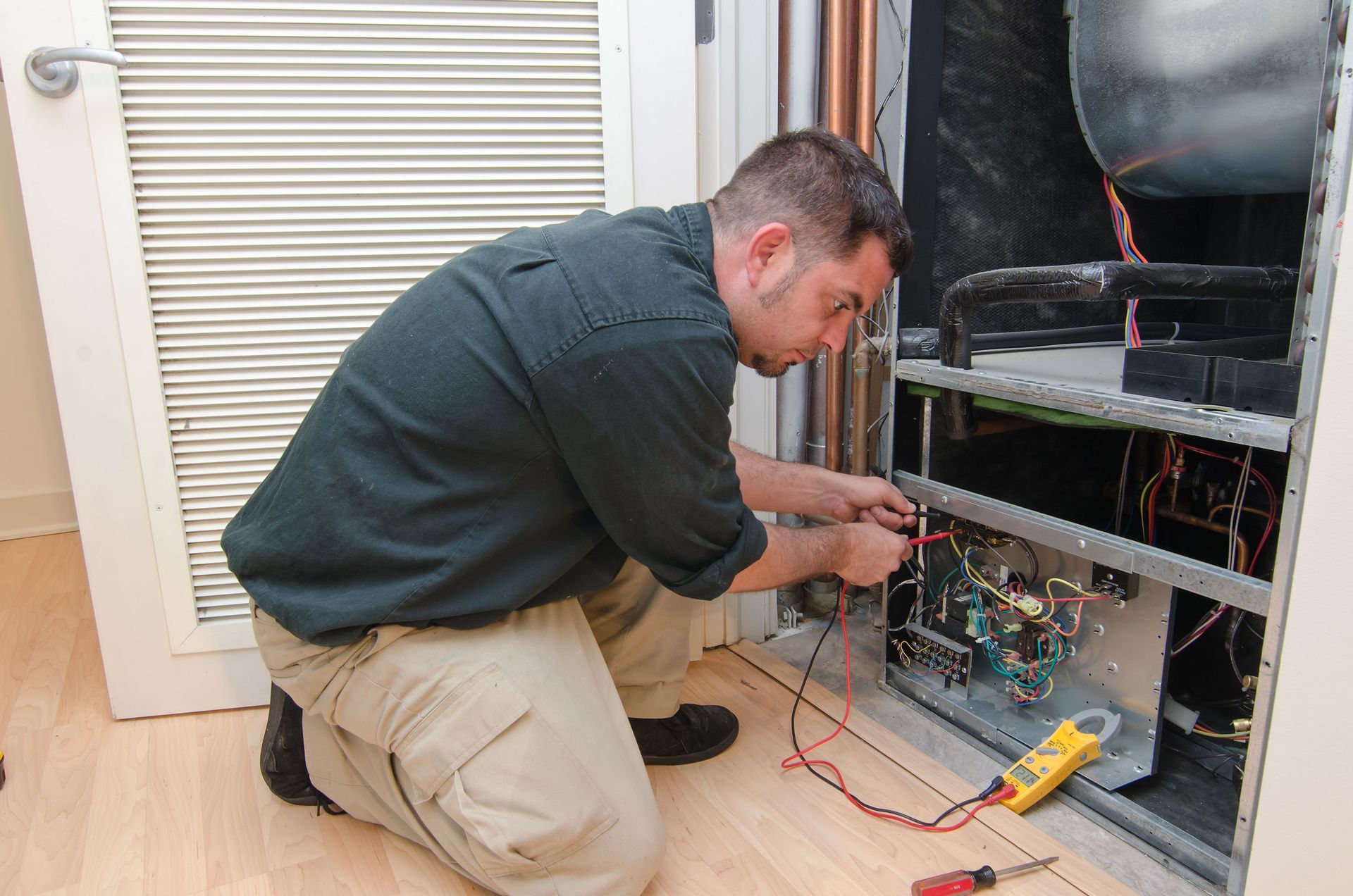
One of the common issues homeowners face is a heat pump that refuses to power up. This problem might be linked to a tripped circuit breaker or an issue with the power supply to the unit. Before calling a technician, reset the breaker or check any visible fuses for continuity. Additionally, ensure that the thermostat is set to either 'heat' or 'cool' as needed. By troubleshooting these areas, you might resolve the power issues without a professional's help.
If your heat pump is not heating or cooling adequately, it might be due to incorrect sizing or airflow issues. The first step is to verify that the system size matches the demands of your space. Checking airflow involves ensuring that vents are unobstructed and that the ductwork is intact. Additionally, an imbalance in refrigerant levels can also cause inadequate heating or cooling. Proper diagnostics and adjustments can restore your heat pump's efficiency, ensuring comfort in your space.
Unusual noises coming from a heat pump unit can indicate mechanical issues or obstructions. Rattling, grinding, or squealing sounds often suggest loose or worn-out components. Inspecting the fan blades and bolts might reveal potential areas needing immediate attention. Sometimes, these noises are due to debris in the fan or the ductwork. Addressing noise-related issues promptly can prevent further damage and maintain system integrity.
7. Seasonal Maintenance Checks
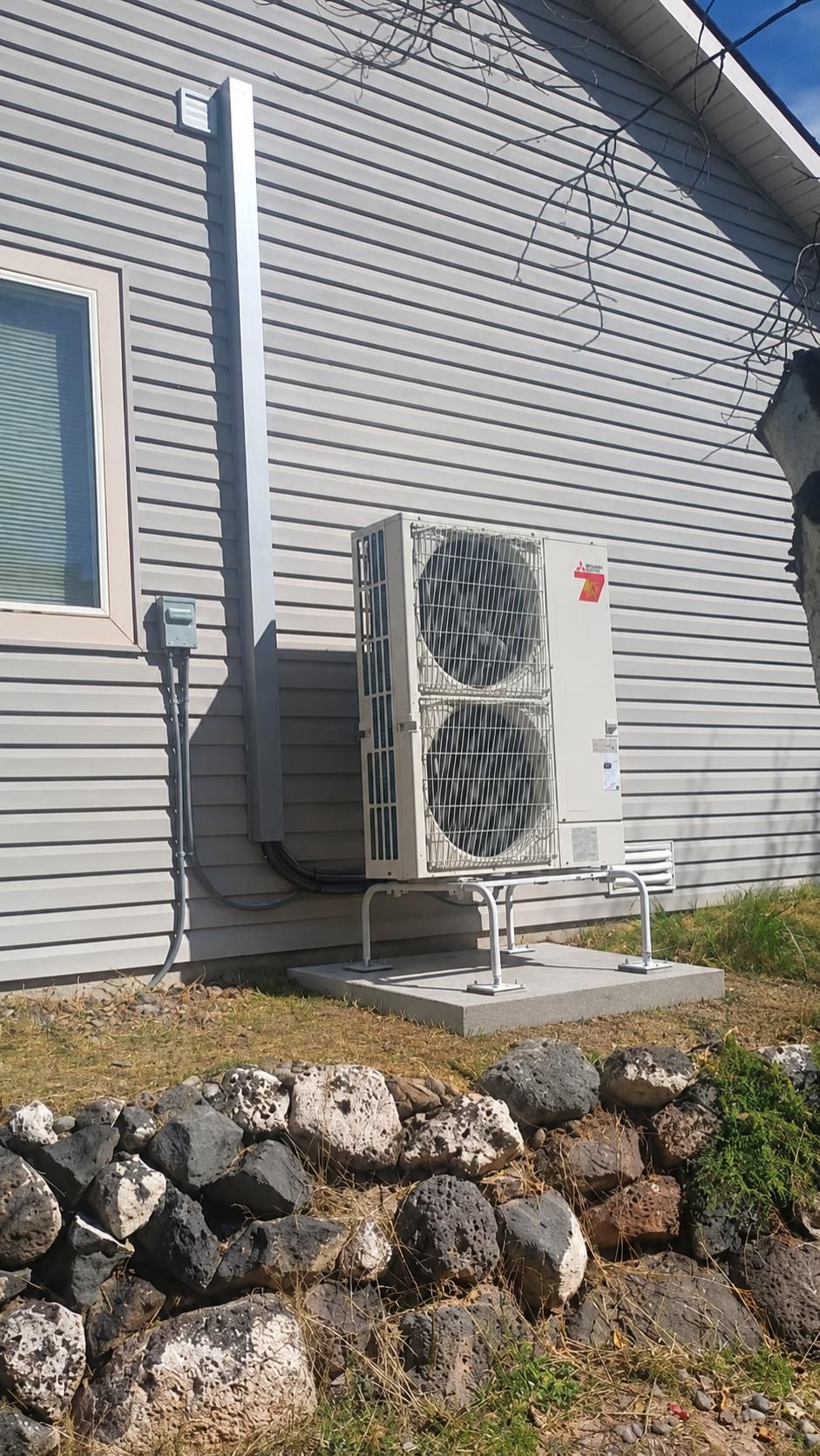
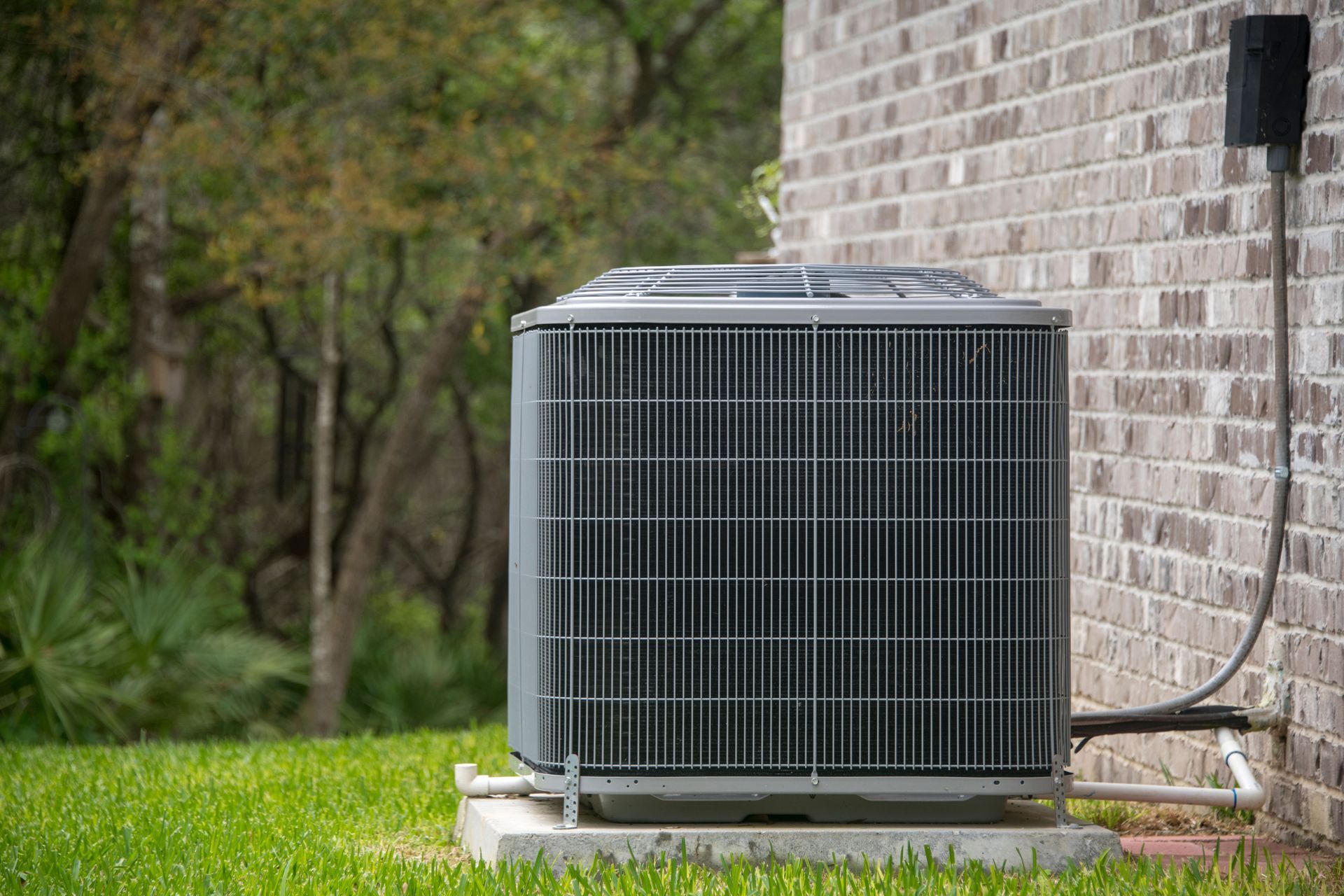
Performing regular maintenance checks at the beginning of each season can improve energy efficiency. Preparing the system for extreme temperatures facilitates smooth operation and reduces energy consumption. Tasks such as coil cleaning, filter replacement, and thermostat calibration can prepare the heat pump for seasonal demands. These checks also involve examining external units for vegetation growth or debris that might obstruct airflow. Regular seasonal maintenance from a professional heat pump service contributes to overall system longevity and performance.
8. Enhancing Insulation
Proper insulation is key to maintaining desired indoor temperatures with minimal energy use. Enhanced insulation keeps the heat where it belongs, reducing the load on the heat pump. This can be achieved by sealing windows, using insulated curtains, and ensuring walls and roofs are insulated adequately. Insulation upgrades are a long-term investment that leads to reduced energy bills and improved indoor comfort. By maintaining a well-insulated space with the help of a heat pump service, you rely less on your heat pump, extending its service life.
9. Installing Zoning Systems
Zoning systems allow for precise temperature control in different parts of a building. Installing zoning controls can significantly reduce energy usage by directing heat only to occupied areas. This minimizes the workload on the heat pump, preventing unnecessary heating or cooling. According to Environment America, Americans are buying 37% more heat pumps than gas furnaces, showcasing a shift toward efficient, zoned climate control systems. Implementing zoning systems can enhance comfort and even system longevity by avoiding strain on the unit.
10. Using Programmable Thermostats
Using programmable thermostats offers significant energy savings by enabling precise temperature management according to your schedule. These devices automatically adjust temperatures based on pre-set times, reducing unnecessary heating or cooling during off-peak hours. With the ability to program the thermostat for days or weeks, you can ensure optimal performance without constant manual adjustments. The reduced energy consumption translates to lower utility bills. Therefore, integrating a programmable thermostat into your heat pump system enhances efficiency and comfort.
11. Activating Energy-Saving Modes
Modern heat pumps come equipped with energy-saving modes that optimize performance while minimizing energy usage. These modes adjust system operations, such as compressor speeds and fan movements, to balance comfort and efficiency. By selecting energy-saving modes, you can reduce the heat pump's carbon footprint and contribute to ecological conservation. Engaging energy-saving features frequently ensures that the system runs cost-effectively without sacrificing comfort levels. Familiarizing yourself with these settings can lead to considerable cost savings over time.
Maintaining a heat pump through regular cleaning, troubleshooting common issues, and engaging a professional heat pump service can significantly enhance its efficiency and lifespan. Quick fixes and efforts to enhance energy efficiency through innovative technologies are equally crucial. By recognizing when professional assistance from Mountain Air Mechanical, Inc is warranted and leveraging modern advancements, homeowners and businesses can enjoy optimal heat pump performance, reduced costs, and contributed conservation efforts. Reach out to us today for more helpful tips!
Share On: