
6 Common Myths About Heat Pumps Debunked
When upgrading your home heating and air conditioning setup, the sheer volume of available information can be overwhelming. You might be seeking ways to cut energy bills or looking for a streamlined system to keep your property comfortable year-round. In your research, you have likely come across heat pumps. These highly efficient systems are taking the industry by storm, offering a greener alternative to traditional furnaces. The demand is undeniably surging. According to Refindustry, in 2024, there was a more substantial rise in air-source heat pump shipments, which jumped 20.4% to 404,688 units from 336,092 units the previous year.
Despite their popularity, widespread misinformation surrounds these devices. Homeowners often hesitate to pursue a new HVAC installation because of outdated rumors. Whether concerns involve cold-weather performance or exorbitant operating costs, conflicting advice breeds confusion. By clearing up these misconceptions, you can make an informed decision on whether this technology fits your household.
1. They Are Only Effective in Mild Climates
For years, the prevailing wisdom suggested that this equipment was only suitable for moderate climates where temperatures rarely dipped below freezing. Decades ago, early systems struggled to extract warmth from frigid winter air, forcing people to rely on costly backup electric heating. This outdated reputation has lingered, causing property owners in colder regions to dismiss the technology when planning their energy efficiency upgrades.
However, modern engineering has completely transformed cold-weather performance. Today's advanced models utilize variable-speed compressors and enhanced refrigerants to pull thermal energy from the outdoors, even during sub-zero conditions. They are robust enough to keep your indoor environment cozy throughout the harshest months without constantly leaning on emergency backup heat. If you experience severe winters, you no longer need to worry about being left in the cold. The technology has evolved dramatically, proving that heat pumps are fully capable of serving as a primary heating source across a wide variety of geographical locations.
2. Installation and Operating Costs Are Too High
A major deterrent for homeowners considering an upgrade is the assumption that the financial investment is far too massive to justify. People hear about advanced climate technology and expect an astronomical price tag. While a dual-function setup might carry a higher upfront cost compared to a basic furnace, looking strictly at the initial price paints an incomplete picture.
In reality, heat pumps are incredibly efficient because they move existing thermal energy instead of burning fossil fuels to generate warmth. This transfer consumes significantly less power than traditional methods, resulting in lower utility bills over the equipment’s lifespan. Furthermore, numerous utility companies and federal programs offer generous rebates and tax credits for adopting energy-efficient solutions. When factoring in these incentives alongside monthly savings, the total cost of ownership is highly competitive. Rather than being an unaffordable luxury, this equipment is often the most financially sound investment you can make for long-term comfort.
3. You Must Have Existing Ductwork to Make the Switch
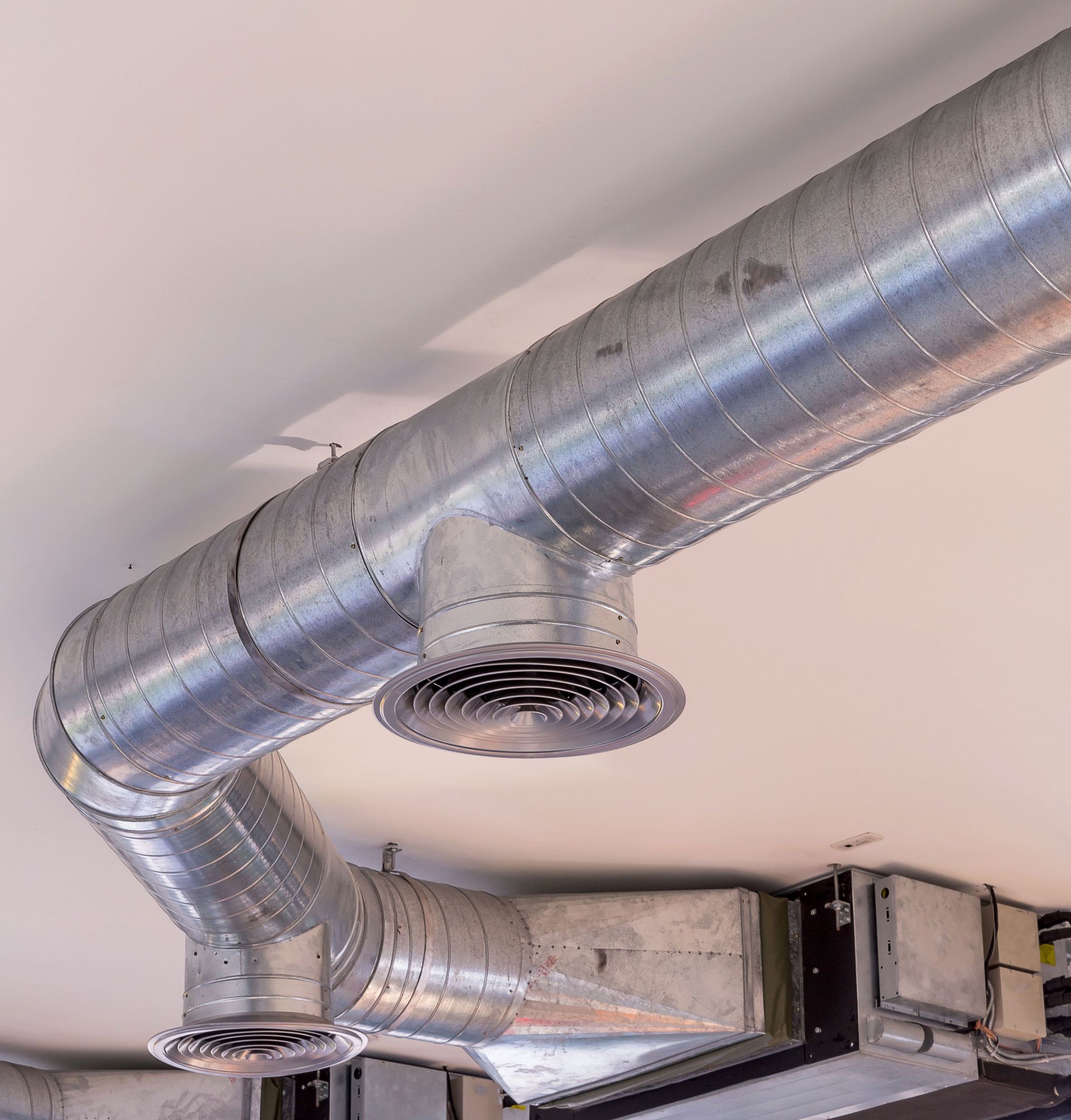
Many individuals reside in older homes lacking the internal metal ducts required for traditional forced-air setups. Consequently, they mistakenly believe that upgrading their climate control means enduring an invasive construction project to tear open walls. The fear of needing extensive ductwork services often stops people from exploring better options.
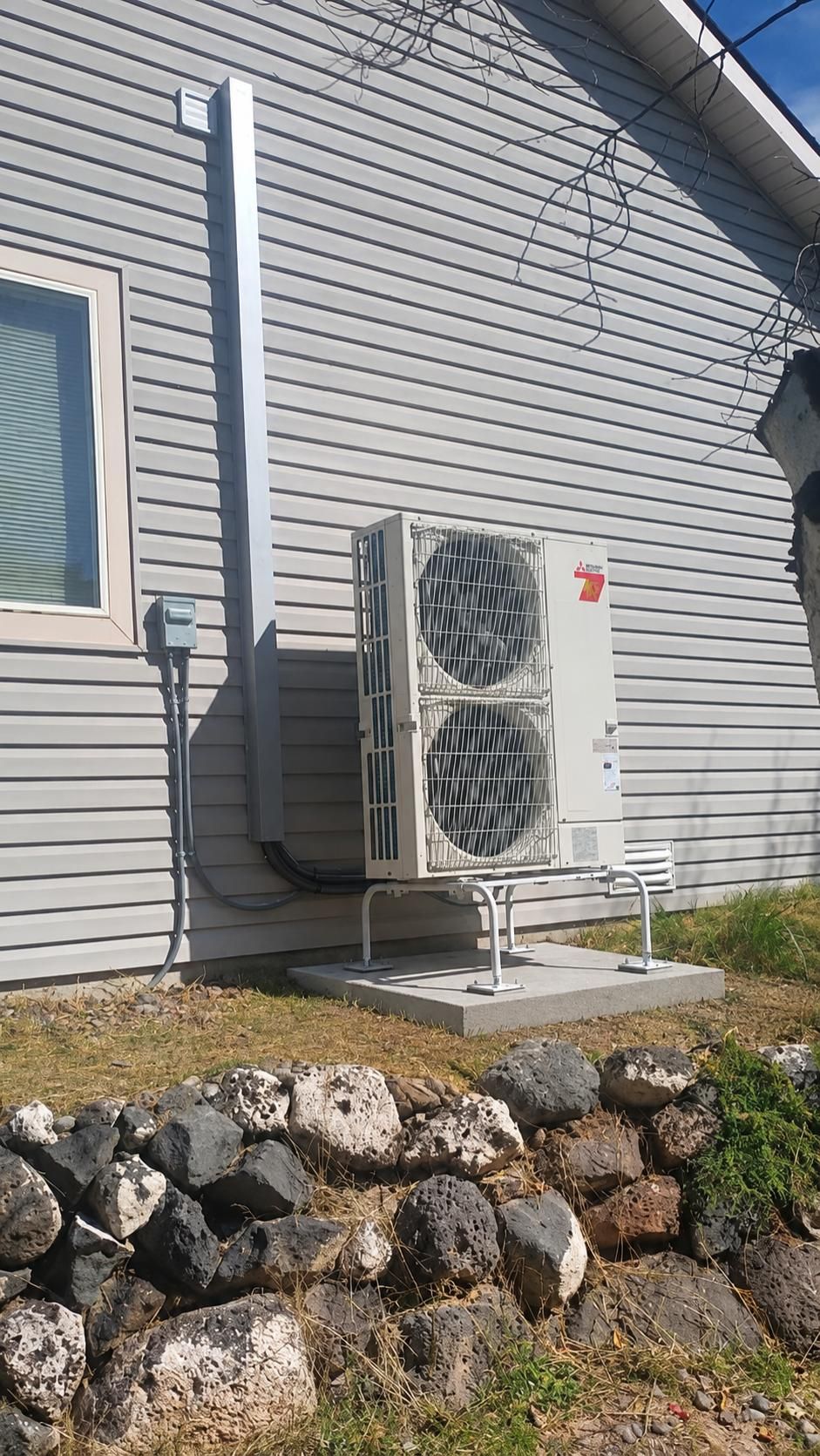
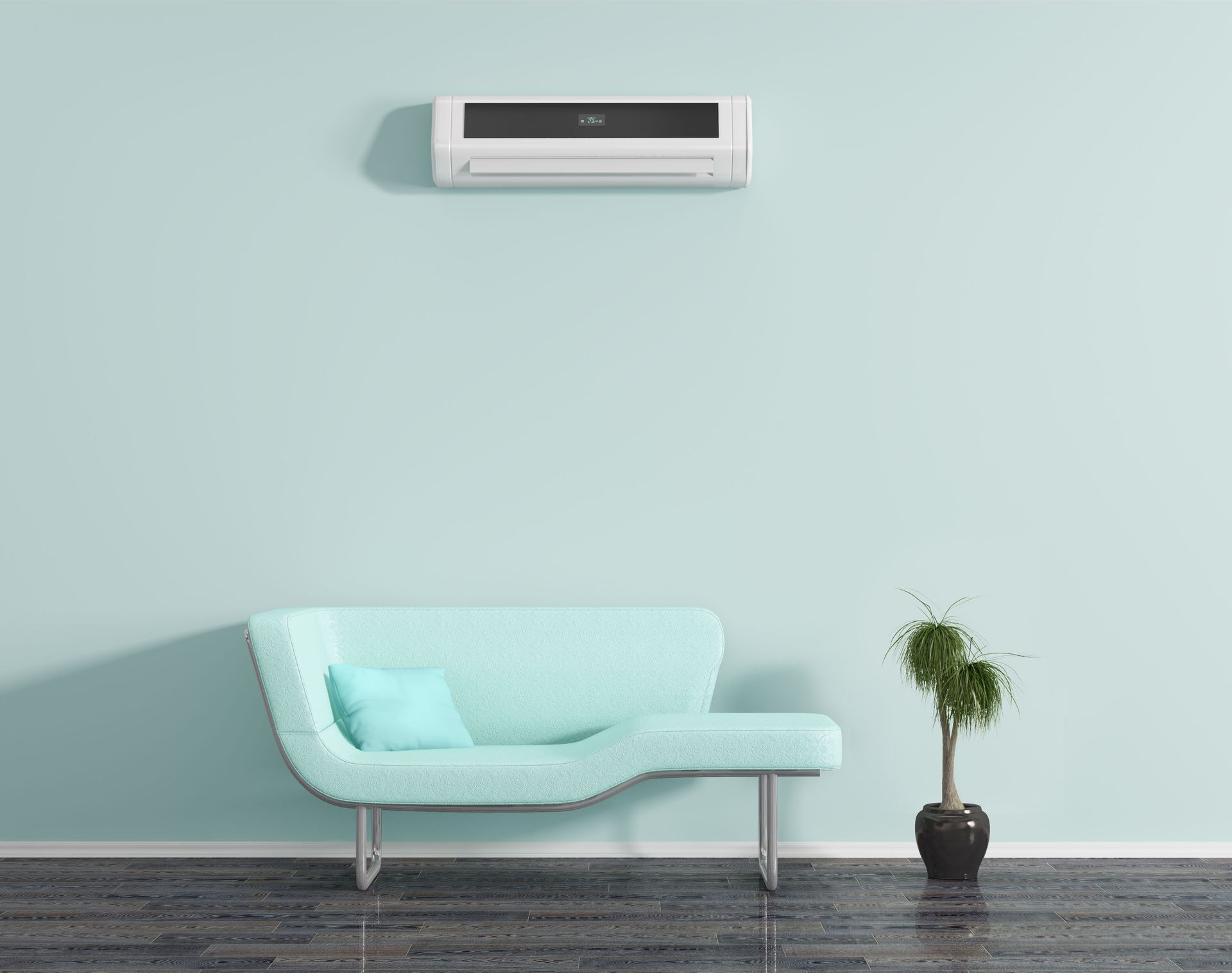
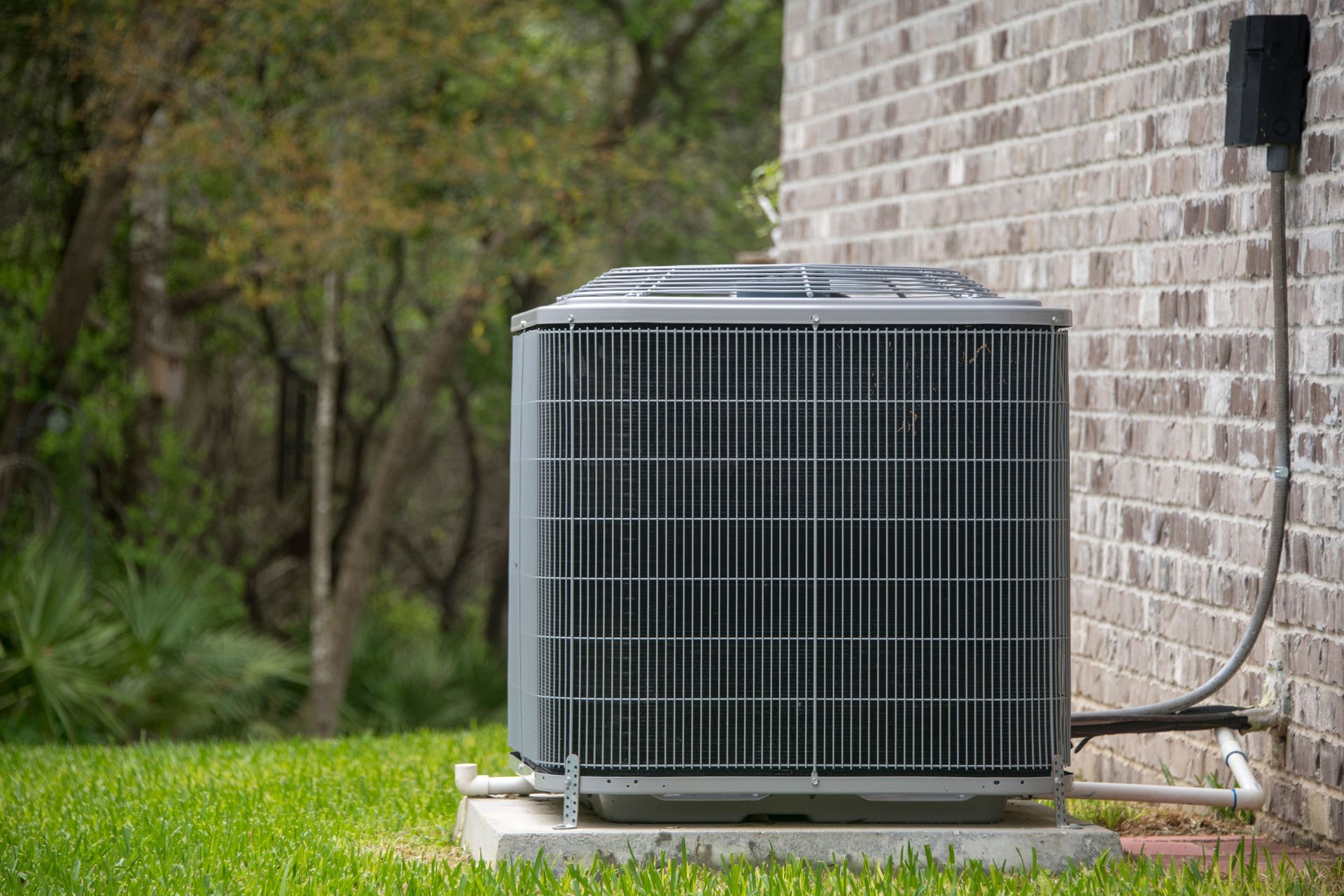
Thankfully, this assumption is false. The industry offers ductless mini-split versions designed specifically for buildings without pre-existing ducts. These units feature a single outdoor compressor connected to indoor air handlers via a small conduit housing the power and refrigerant lines. This configuration enables personalized, room-by-room zoning, giving you pinpoint temperature control throughout the house. It is a brilliant way to achieve modern comfort without the massive disruption of retrofitting an entire structure. Additionally, these ductless models serve as fantastic indoor air quality solutions because they bypass dusty, aging vents that frequently circulate allergens.
4. These Units Are Disruptively Loud and Annoying
Older air conditioning units have a well-deserved reputation for sounding like a jet engine in your yard. Because of this history, homeowners frequently worry that installing a continuous climate system will introduce a constant, droning noise that disrupts their peaceful home. Nobody wants to sacrifice a quiet environment for the sake of temperature control.
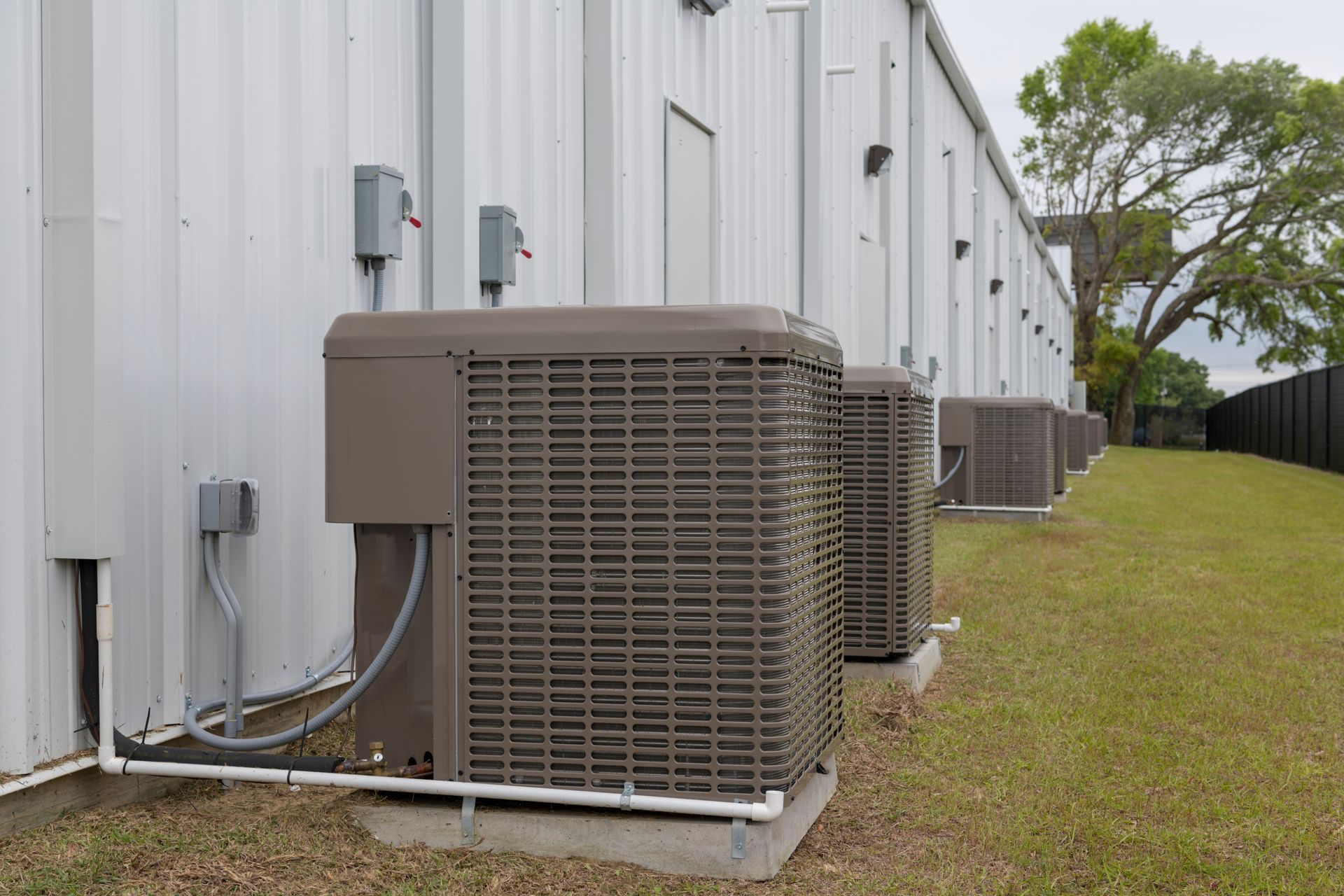
Fortunately, noise pollution is virtually a non-issue with contemporary models. Manufacturers have heavily invested in acoustic engineering to ensure that modern heat pumps operate at incredibly low decibel levels. Thanks to variable-speed fans, insulated compressor compartments, and vibration-dampening technology, these machines hum quietly in the background. Often, the sound of the indoor air handler is no louder than a whisper. Even outdoor components are remarkably quiet, meaning you can place them near patios without fear of disruption. You receive all the comfort benefits without the annoying acoustic drawbacks of vintage machinery.
5. You Still Need a Separate Air Conditioner for the Summer
Because the device's name implies a warming function, a surprising number of people assume it only works during the colder months. They mistakenly believe they will still need to maintain a traditional air conditioner to survive the sweltering summer heat. This misunderstanding leads to unnecessary expenses and a cluttered yard.
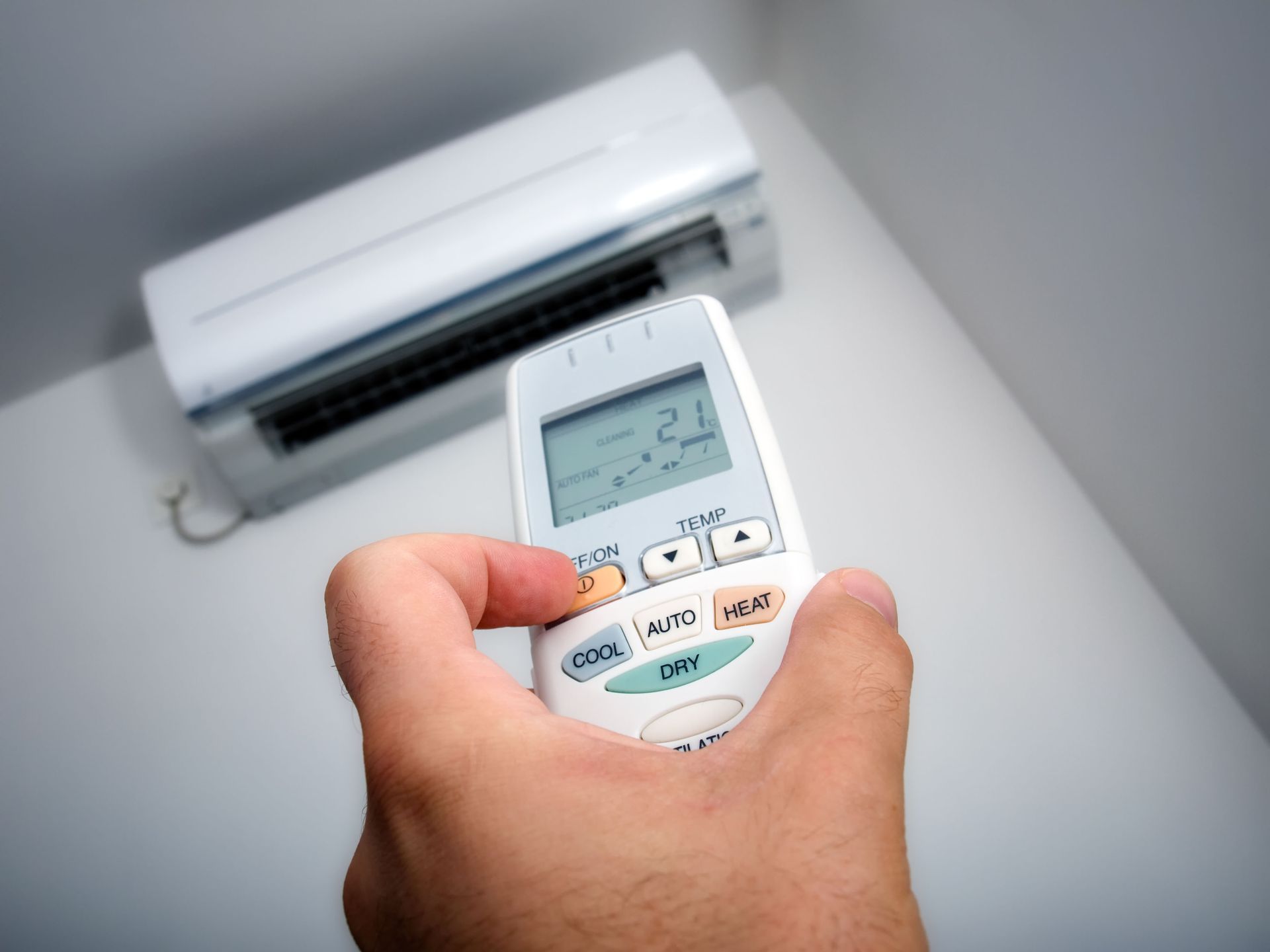
The truth is that this technology provides a complete, all-in-one climate solution. A heat pump functions as a highly efficient air conditioner during the summer. By utilizing a specialized reversing valve, the unit simply switches the direction of the refrigerant flow. Instead of pulling warmth from the outside and moving it indoors, it absorbs the heat trapped inside your house and expels it outdoors. This process effectively cools and dehumidifies your space, keeping you perfectly comfortable on hot afternoons. With a smart thermostat installation, the transition from heating to cooling is entirely seamless and automatic. You only need one piece of equipment to handle your year-round needs.
6. They Require Constant, Complicated Upkeep
Since these devices operate throughout the entire year, some homeowners fear the system will wear out twice as fast or demand an endless cycle of expensive HVAC repair work. They worry that continuous operation guarantees frequent breakdowns, forcing them to constantly call technicians for 24/7 emergency services.
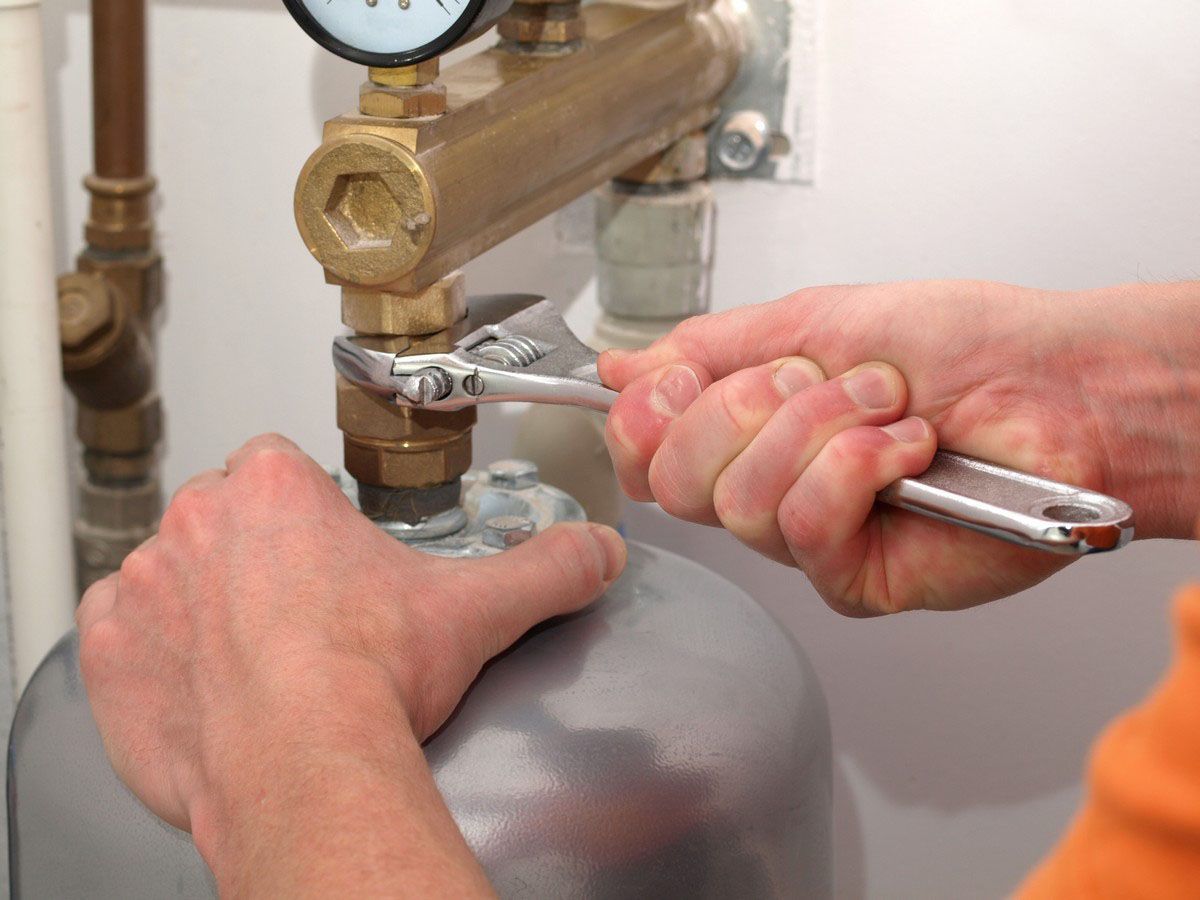
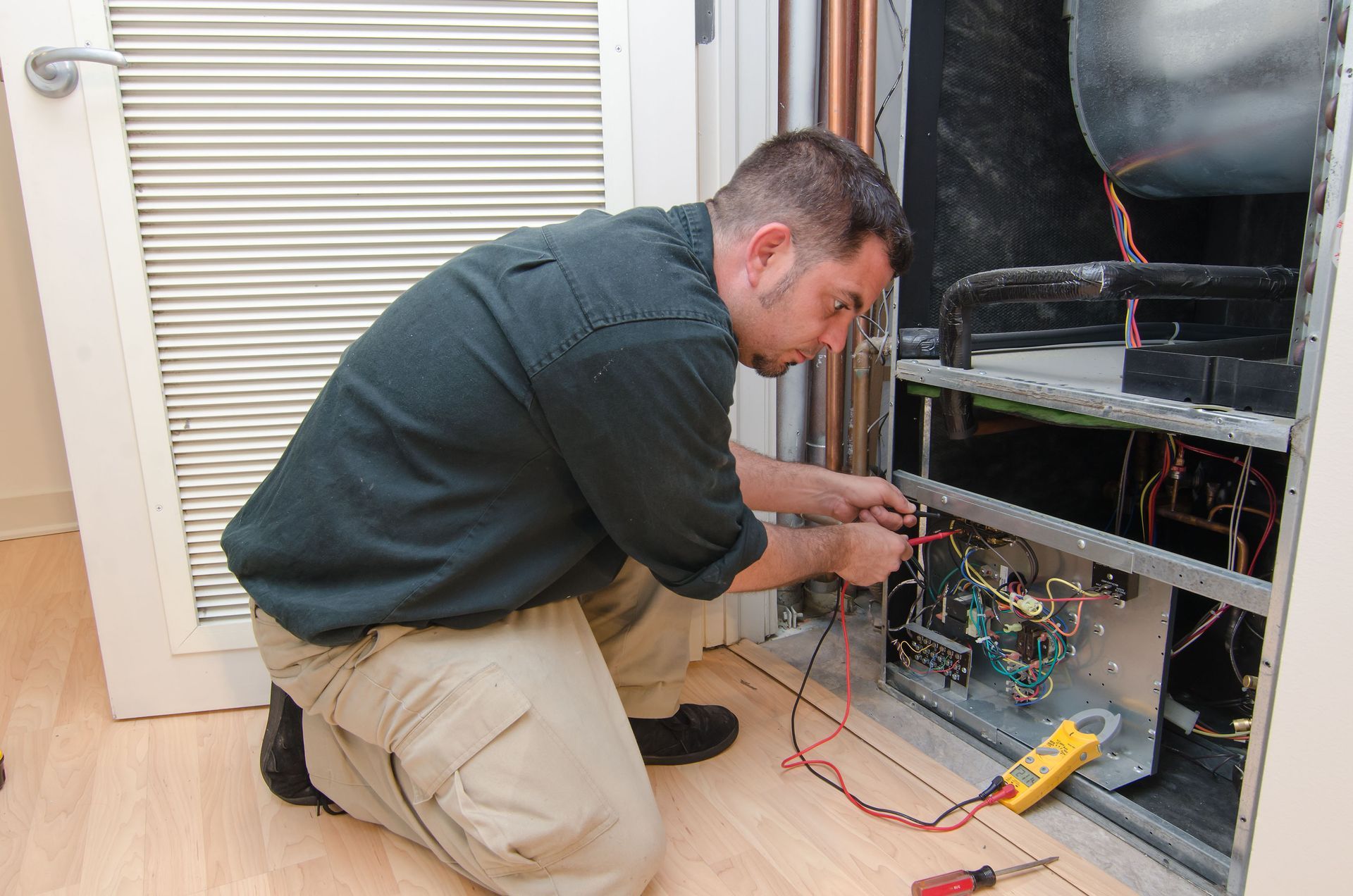
While a year-round system certainly requires attention, the upkeep is neither complicated nor excessively burdensome. Like any mechanical equipment, these units thrive on routine care. Swapping out air filters regularly and keeping the outdoor cabinet clear of debris and snow are simple tasks you can manage independently. Beyond that, scheduling professional maintenance services twice a year is typically all that is needed. A technician will inspect electrical components, verify refrigerant charges, and test the reversing valve. With basic upkeep, these robust heat pumps are designed to deliver reliable performance for fifteen years or more, easily matching the lifespan of traditional setups.
Navigating the world of home climate control does not have to involve frustration or guesswork. As we have seen, the most prevalent rumors surrounding heat pumps are firmly rooted in the past. Today’s models are quiet, highly efficient, versatile enough to eliminate the need for separate heating and cooling equipment, and robust enough to handle severe weather. Whether you aim to lower your carbon footprint, reduce monthly utility expenses, or achieve more consistent indoor comfort, upgrading is a smart move.
Do not let outdated myths prevent you from experiencing the ultimate in residential efficiency. If you are ready to explore how this technology can transform your living environment, our dedicated team is here to help. With extensive experience in everything from complex installations to seasonal tune-ups, we ensure your home remains perfectly conditioned all year long. For exceptional climate solutions tailored to your household, reach out to Mountain Air Mechanical, Inc.
Share On: