
How Heat Pump Services Help Prevent System Breakdowns
Heat pumps are vital components of modern HVAC systems, offering efficient heating and cooling solutions for residential and commercial spaces. Regular maintenance is crucial for these systems to function optimally and avoid unexpected breakdowns. Common causes of heat pump failures include poor maintenance, outdated components, and environmental factors, which can be effectively mitigated by professional heat pump services.
Regular inspection and servicing have become increasingly important, especially with the growing number of businesses and homeowners relying on heat pumps. The importance of staying updated with maintenance is underscored by the fact that, according to WebFX, 14.3 million HVAC units are replaced each year. By investing in regular upkeep, these numbers can be reduced, saving money and improving reliability.
Given the pivotal role that heat pumps play, understanding their operational dynamics and maintenance requirements is essential. This article delves into various aspects, from basic operation to the future of intelligent maintenance systems. Ultimately, the goal is to provide readers with comprehensive insights into maintaining their heat pump systems effectively.
Understanding the Basics of Heat Pump Operation
Components of a Heat Pump System
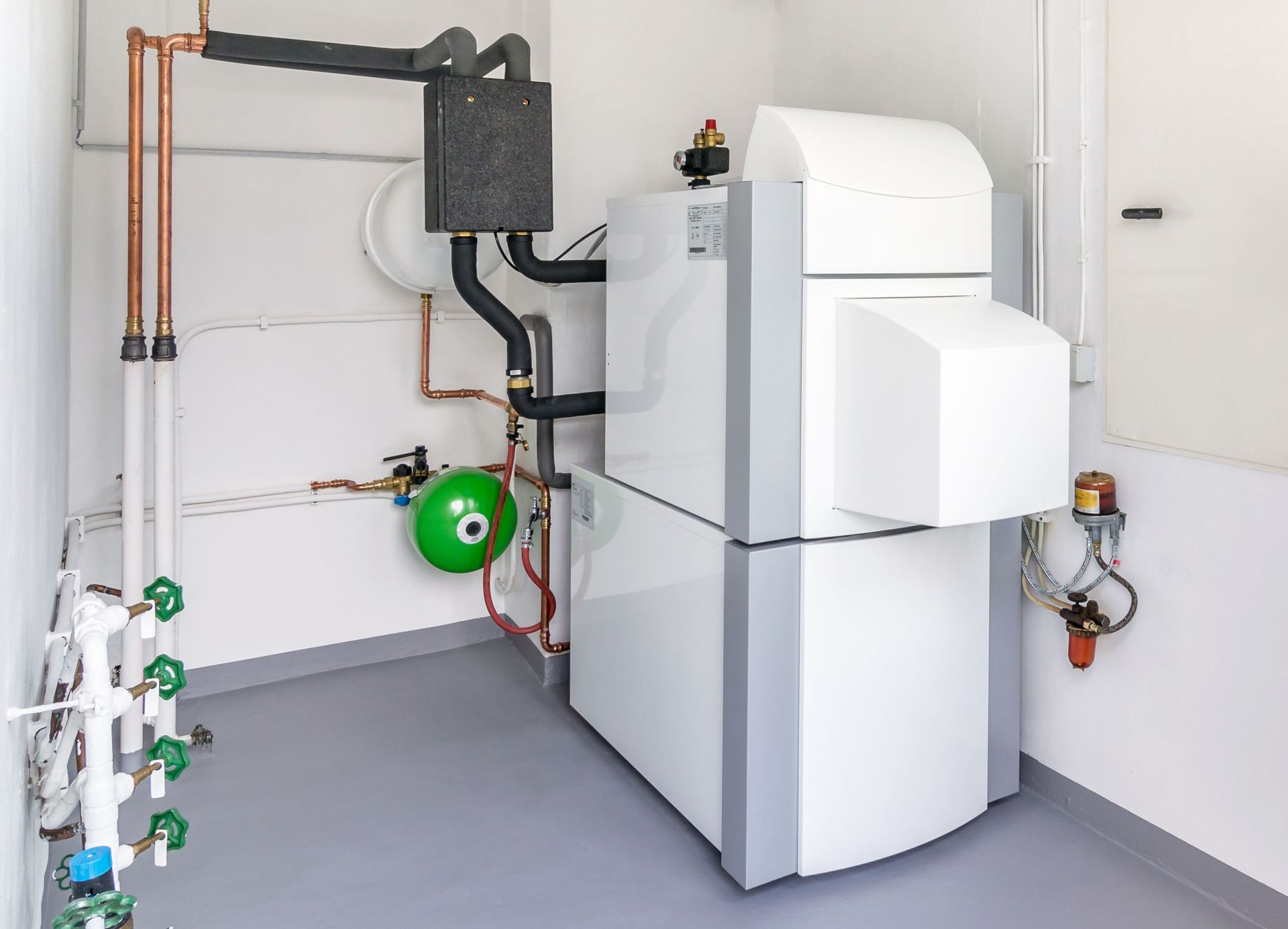
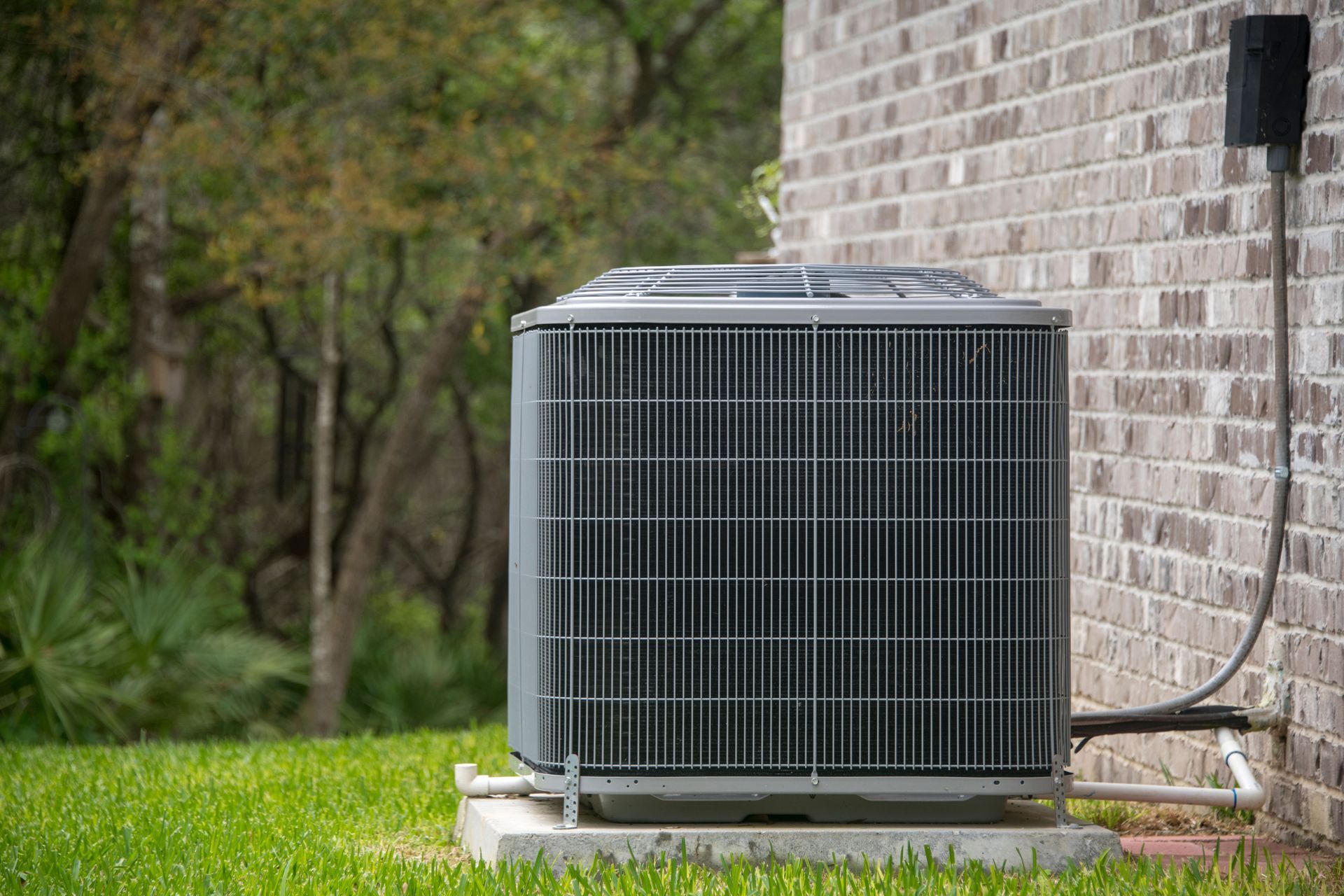
A heat pump consists of several crucial components, each serving a unique function in the transfer of heat. The compressor is the heart of the system, responsible for circulating refrigerant throughout the pump and facilitating heat exchange. The condenser releases absorbed heat, while the evaporator absorbs heat for transfer. Finally, the expansion valve regulates refrigerant flow and pressure. Together, these components ensure efficient heating and cooling operations.
Failure in any of these components can lead to system breakdowns, underscoring the need for regular maintenance and checks. Technicians closely examine each part to ensure flawless function and replace or fix any malfunctioning parts. An understanding of these components' roles helps in recognizing the importance of their upkeep. Regular professional heat pump services can identify potential issues in these areas early, preventing costly failures.
The interconnectedness of these components means that a fault in one part could potentially degrade the entire system's performance. Therefore, a thorough knowledge of how these parts work can help in timely diagnosis and maintenance. For homeowners and businesses that rely heavily on heat pumps, understanding these components is beneficial not only for maintenance but also for informed discussions with service providers.
How Heat Pumps Work
Heat pumps operate on a simple principle of heat transfer, making them an energy-efficient solution for temperature control. They extract heat from the environment — whether it be air, ground, or water — and move it indoors during the winter. During the summer, the process reverses, and heat is expelled outside, cooling the interior. This principle allows heat pumps to provide both heating and cooling with exceptional efficiency.
The energy efficiency of heat pumps rest on the laws of thermodynamics, primarily focusing on utilizing ambient heat rather than generating it. This differentiates them from conventional heating systems, which consume more energy. By transferring rather than creating heat, they significantly reduce operational costs. Consequently, regular services must ensure that components like compressors and evaporators are in optimal condition to support this energy-efficient cycle.
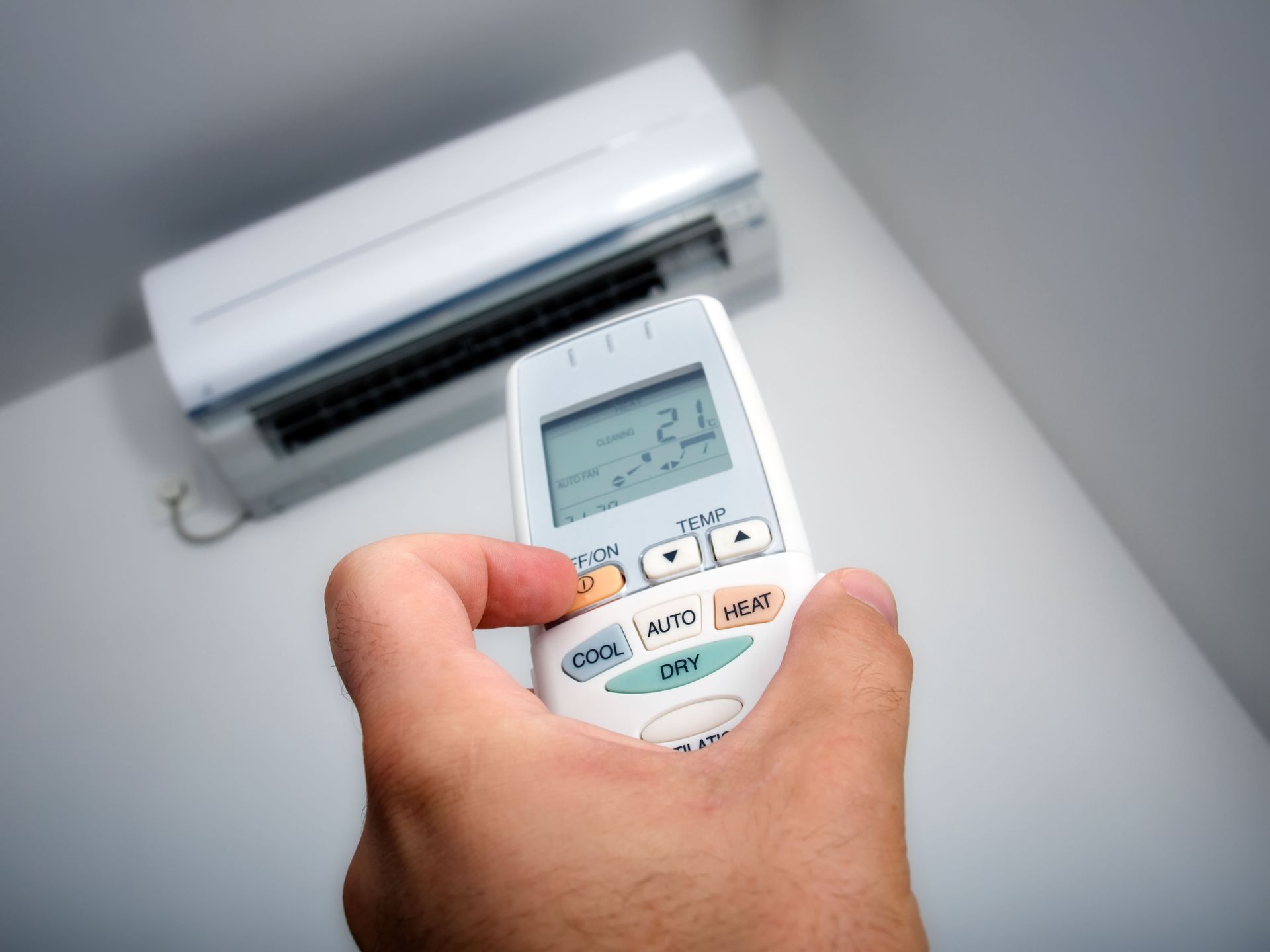
As technology progresses, advanced models enhance this basic function, offering even greater efficiency and flexibility. Nonetheless, maintenance remains integral to ensure these advanced models operate at peak performance levels. Understanding the basic operation principles also allows users to manage and adjust settings appropriately, further enhancing system efficiency and reducing potential stress on the components.
Common Types of Heat Pumps
There are several types of heat pumps, each designed to function optimally in different environments and catering to varied needs. Air-source heat pumps are among the most common, drawing heat from the outside air and being relatively easy and inexpensive to install. Ground-source heat pumps, also known as geothermal heat pumps, tap into the stable underground temperatures for heating and cooling. These are typically more efficient but have higher installation costs.
Water-source heat pumps, however, draw heat from local water sources such as ponds, lakes, or rivers. Each type has unique efficiency profiles and installation prerequisites, making the choice of heat pump dependent on geographic and structural considerations. Routine heat pump services, therefore, look different depending on the heat pump type, addressing distinct points of wear and failure specific to each.
Regardless of type, all need rigorous maintenance checks to ensure components like coils and fans function correctly. The specific design and operating conditions can influence maintenance schedules, with some systems requiring more frequent servicing. Understanding the operational specifics and efficiency levels of these types helps in opting for the right heat pump tailored to individual needs and maintaining it effectively for years.
Signs of Heat Pump Malfunction
Early detection of malfunctions is critical to preventing full-blown system breakdowns. Common signs include unusual noises, poor heating or cooling, and unresponsive controls. Any abrupt increase in energy bills or uneven temperature distribution could indicate underlying issues. Spotting these signs early allows for timely intervention by heat pump services, thus averting potential failures.
Noises may originate from the compressor or fan, suggesting mechanical issues, while inconsistent temperature control might hint at thermostat or duct problems. Additionally, refrigerant leaks often result in poor performance and require immediate attention. Professional services are equipped to diagnose these signs accurately and implement necessary repairs or replacements.
Neglecting such signs can exacerbate issues, leading to more severe and costly complications. Regular maintenance can help monitor for these indicators regularly, reducing the risk of sudden breakdowns. Thus, homeowners and facility managers should remain vigilant for these signs to ensure continued, effective operation of their heat pump systems.
The Cost of Neglecting Heat Pump Maintenance
The consequences of neglecting regular maintenance for heat pumps can lead to substantial financial and operational burdens. Broken components and inefficient operation often lead to increased energy consumption, raising energy bills significantly. Additionally, neglect accelerates wear and tear on the system, shortening its lifespan and potentially leading to replacement. Given the report by WebX, where 14.3 million HVAC units are replaced annually, the cost of neglect becomes readily apparent.
On the financial front, unexpected repairs can become frequent and costly over time, often surpassing the cost of regular maintenance. Neglect may also result in compromised air quality due to unclean filters and ducts, further impacting health and well-being. Operational strain from neglect can strain and eventually damage the system components, necessitating more invasive and extensive maintenance down the line.
Balancing regular maintenance costs against potential repair and replacement costs highlights the economically favorable choice of staying proactive. Timely intervention through scheduled heat pump services ensures operational efficiency and longevity, offering a significant return on investment by circumventing unnecessary expenses. Therefore, routine maintenance should be considered a critical component of responsible heat pump ownership.
The Role of Regular Maintenance in Heat Pump Longevity
Routine Inspection Procedures
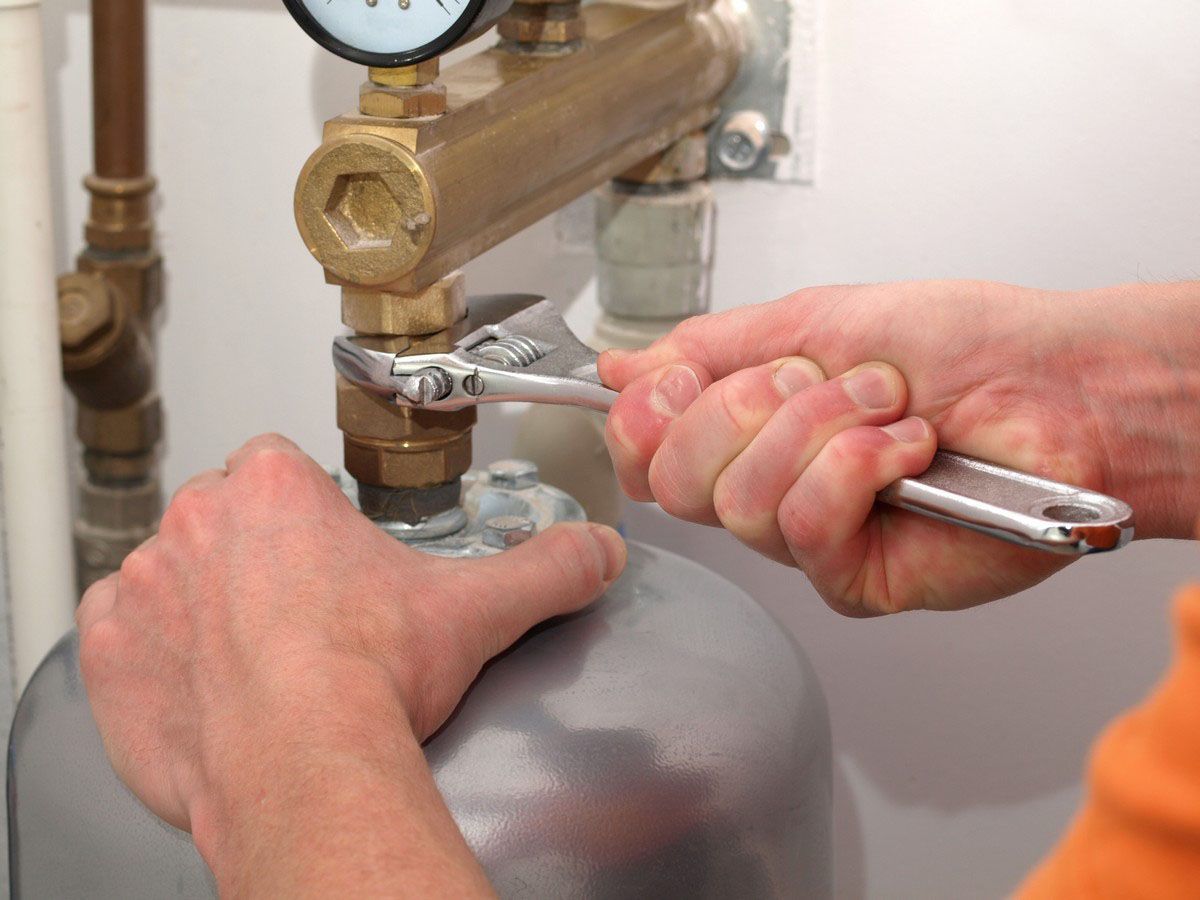
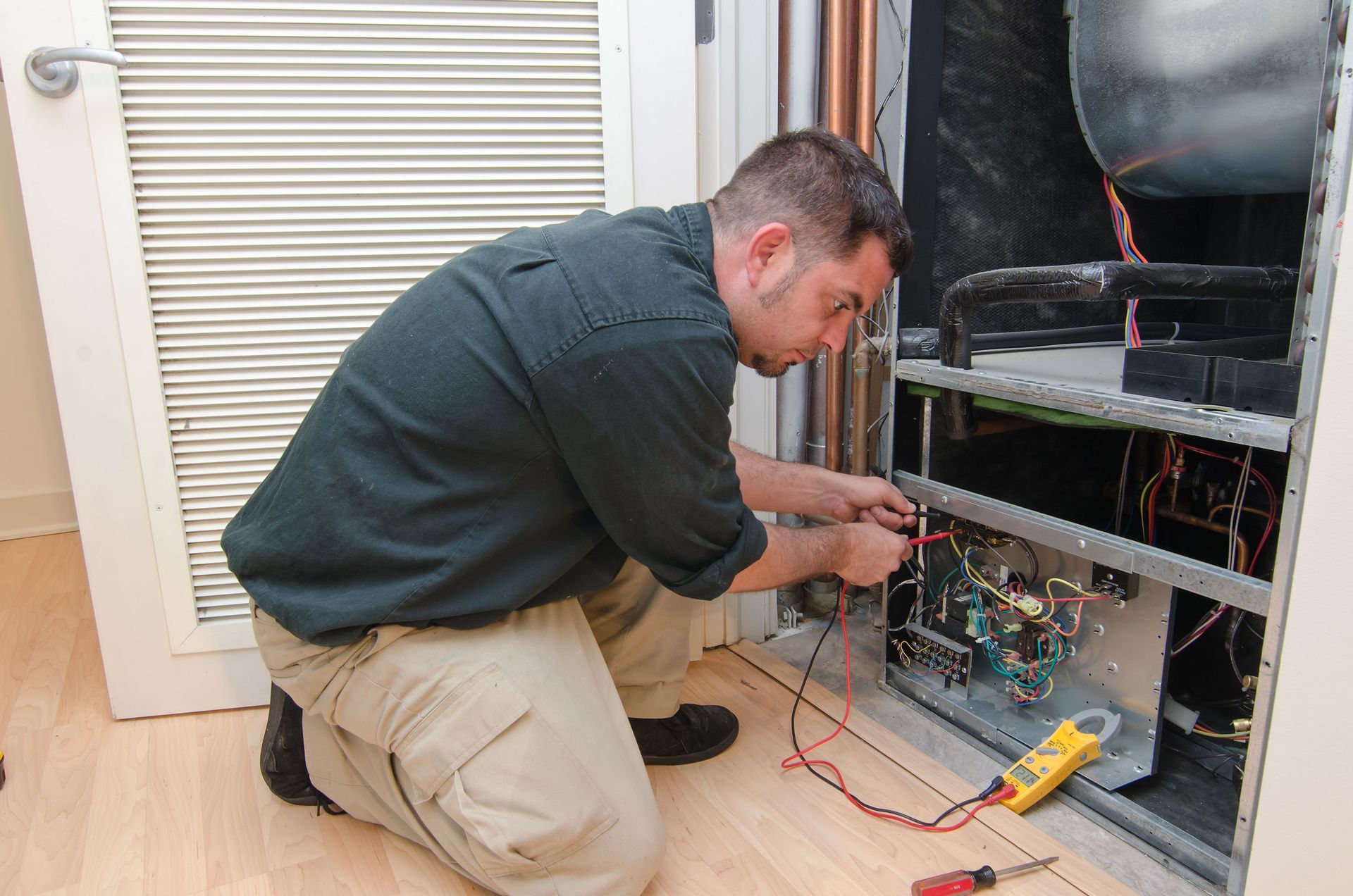
Routine inspections through heat pump services form the backbone of effective heat pump maintenance, identifying minor issues before they become major problems. Key procedures often include checking refrigerant levels, inspecting electrical connections, and assessing ductwork for any leaks or obstructions. Technicians also evaluate system pressure and ensure that all mechanical components function smoothly. These inspections are vital in maintaining system efficiency and avoiding future breakdowns.
A thorough inspection follows a detailed checklist tailored to the specific make and model of the heat pump. Each component involved in the system's operation is scrutinized to ensure functionality and reliability. For example, assessing compressor function can prevent costly repairs by catching wear and tear early. Likewise, a detailed examination of thermostats and controls ensures that the system operates as intended.
Regular heat pump maintenance is one of the most effective ways to prevent unexpected system breakdowns, reduce repair costs, and keep heating and cooling equipment running efficiently throughout the year. From inspecting key components and checking refrigerant levels to cleaning coils, calibrating thermostats, and identifying unusual noises, professional care helps catch small issues before they turn into major problems.
Investing in routine heat pump services also supports better energy efficiency, longer equipment life, and more consistent indoor comfort. Whether the system serves a home or commercial space, proactive maintenance gives property owners confidence that their heat pump is prepared for seasonal demands. By scheduling dependable heat pump services before problems develop, homeowners and businesses can protect their HVAC investment and enjoy reliable performance year after year. Call Mountain Air Mechanical, Inc today.
Share On: